A swimming pool is never just blue.
Depending on the mosaic beneath the water, a pool can feel like a quiet lagoon, a deep stretch of ocean, or a pale sheet of glass reflecting the sky. Some colors blend naturally into the landscape. Others create a striking contrast with the architecture around them.
The interesting part is that the tile is only one element in the final effect. Water depth, sunlight, surrounding materials, and reflections all influence how a pool looks. Yet the mosaic palette plays an important role in establishing its character.
From soft aqua to deep blue, understated neutrals, and artistic patterns, these four approaches offer inspiration for choosing pool mosaic tiles that complement the architecture and atmosphere of a space.
1. Light Aqua and Turquoise: A Pool That Feels Close to Nature
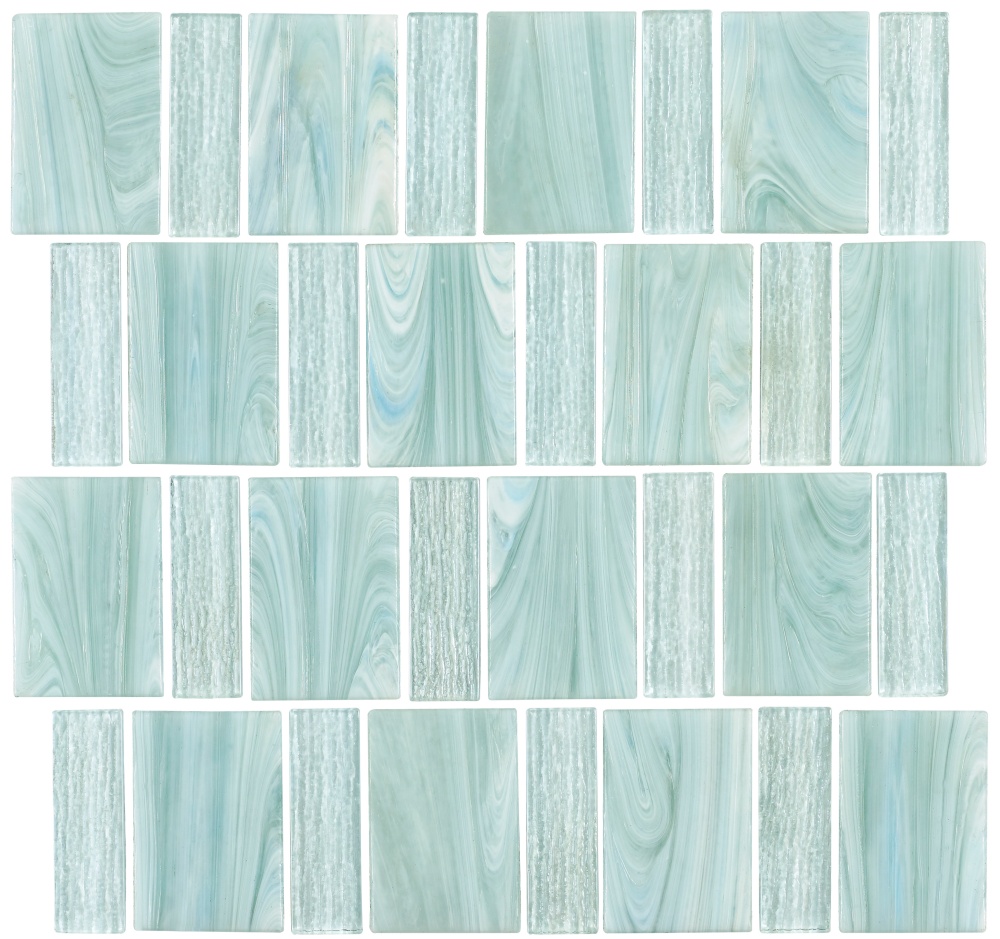
Light aqua and turquoise bring to mind tropical lagoons, shallow coastal waters, and sunlight moving across a sandy seabed. These colors can make a swimming pool feel fresh and inviting without overwhelming its surroundings.
They work particularly well in resort pools, private villas, and outdoor spaces where the architecture connects with gardens, stone, or natural landscapes. Rather than creating a sharp visual contrast, lighter blue-green tones often help the water feel like a natural extension of its environment.
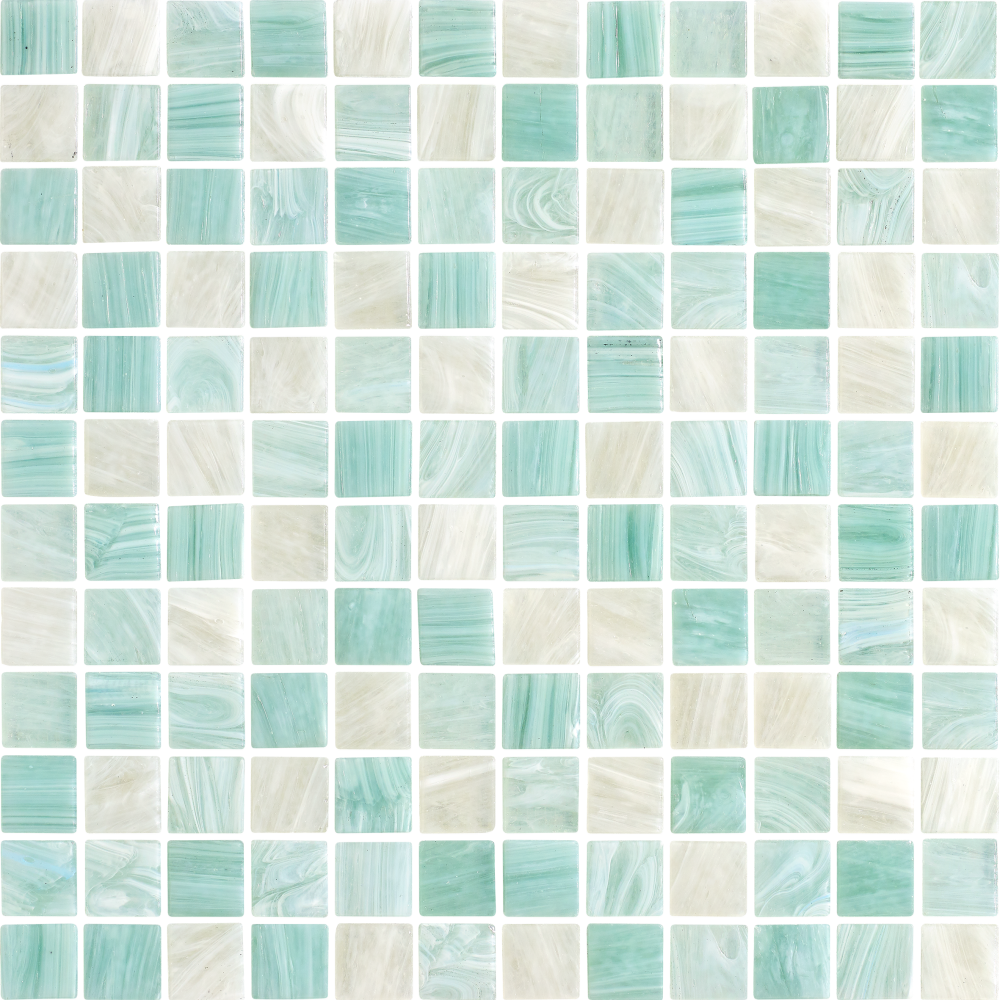
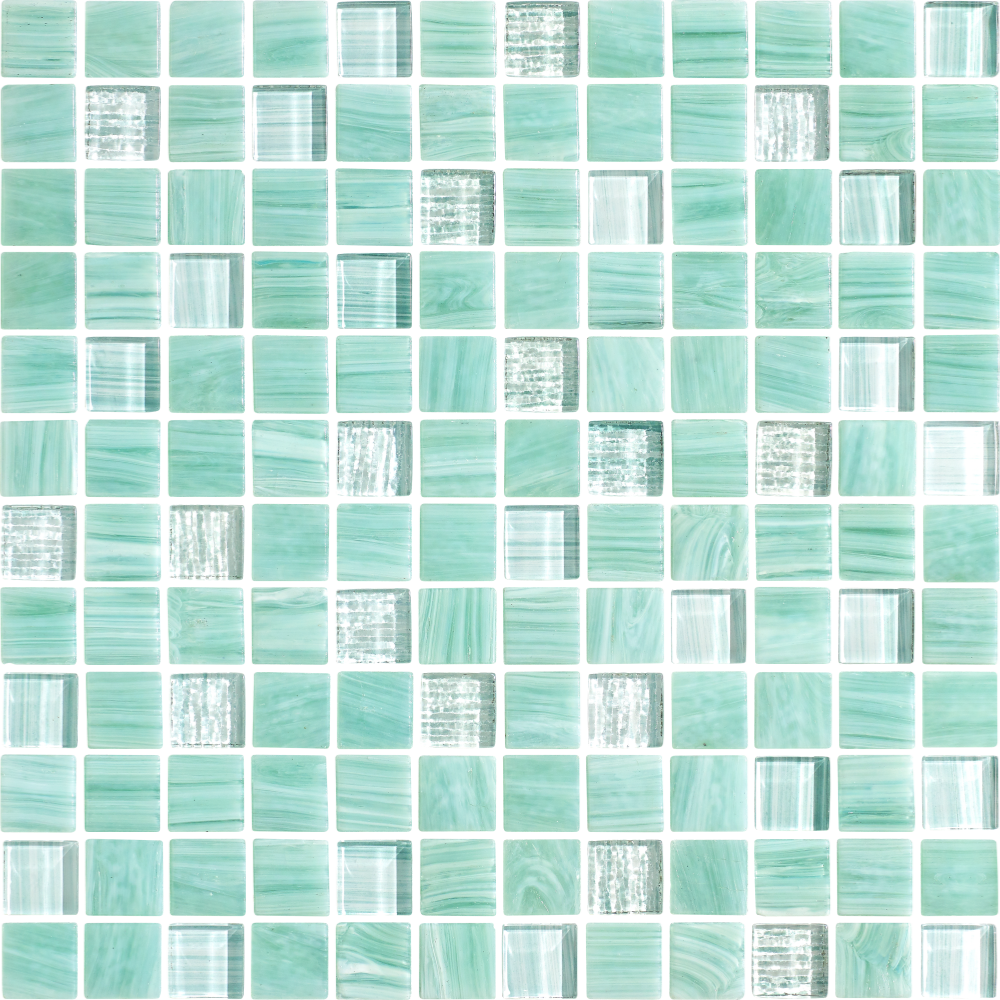
The beauty of this palette lies in its subtle variations. A soft aqua can feel calm and understated, while a more saturated turquoise introduces a brighter, more tropical character. When different shades are combined, the surface gains depth and movement as light shifts across the water.
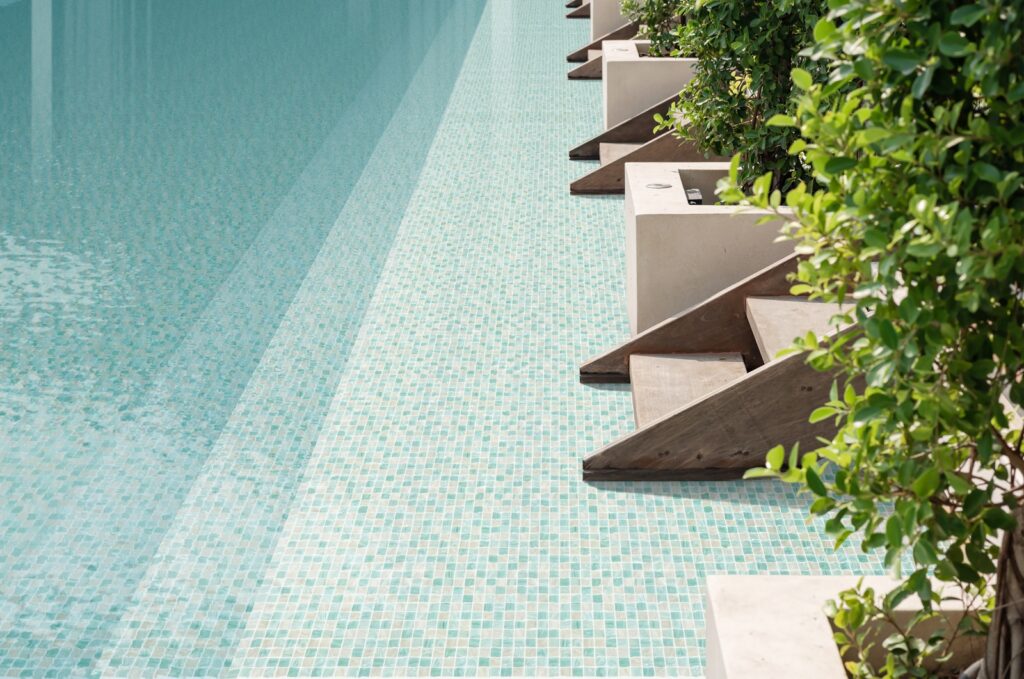
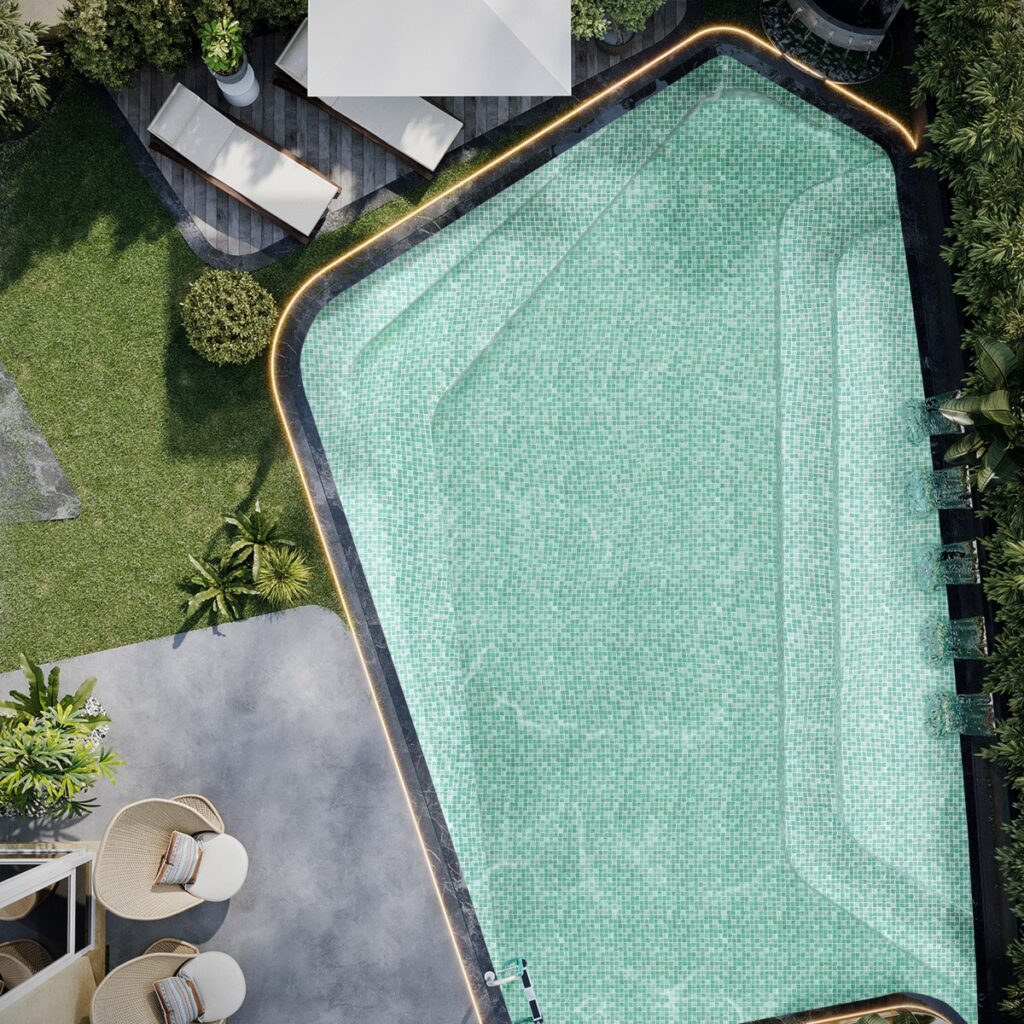
For this look, JNJMosaic’s Hot Melt Series includes options such as MXGR-005, MXGR-009, MXGR-012, MXGR-017, and MXGR-018. Their individual colors and patterns can be considered when developing a palette suited to the surrounding architecture and landscape.

2. Deep Blue and Ocean Tones: Bringing Depth to Architecture
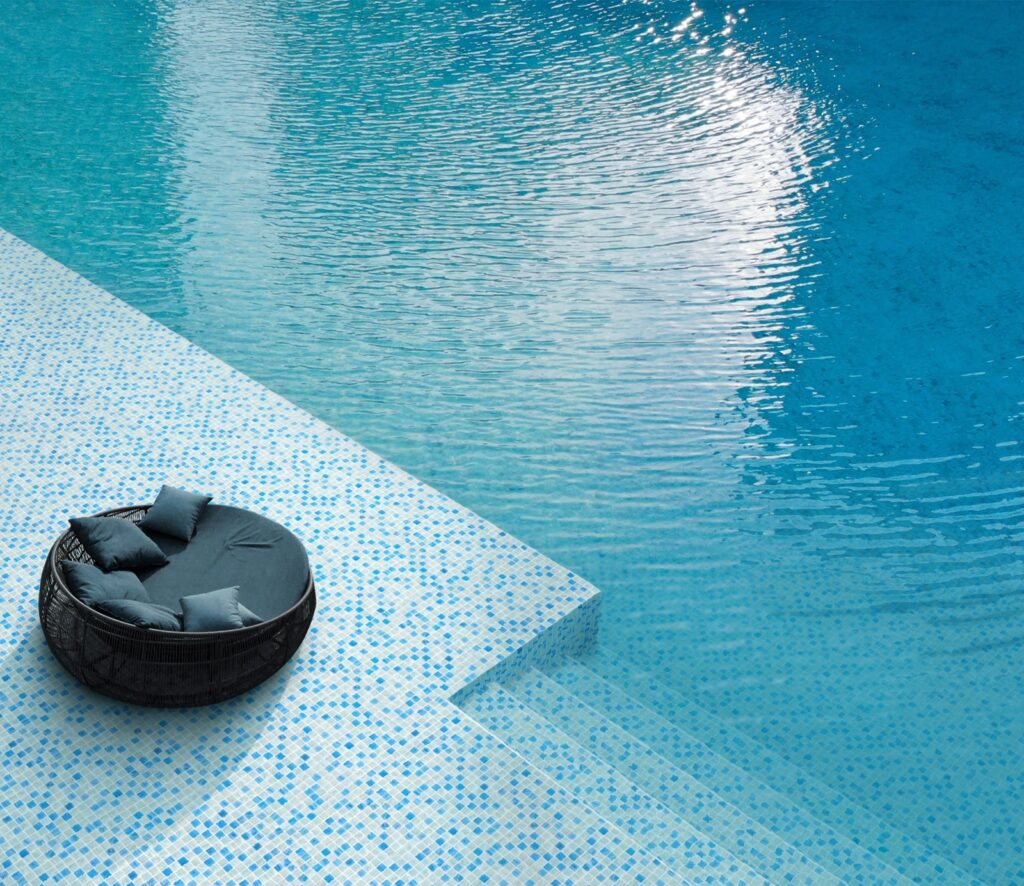
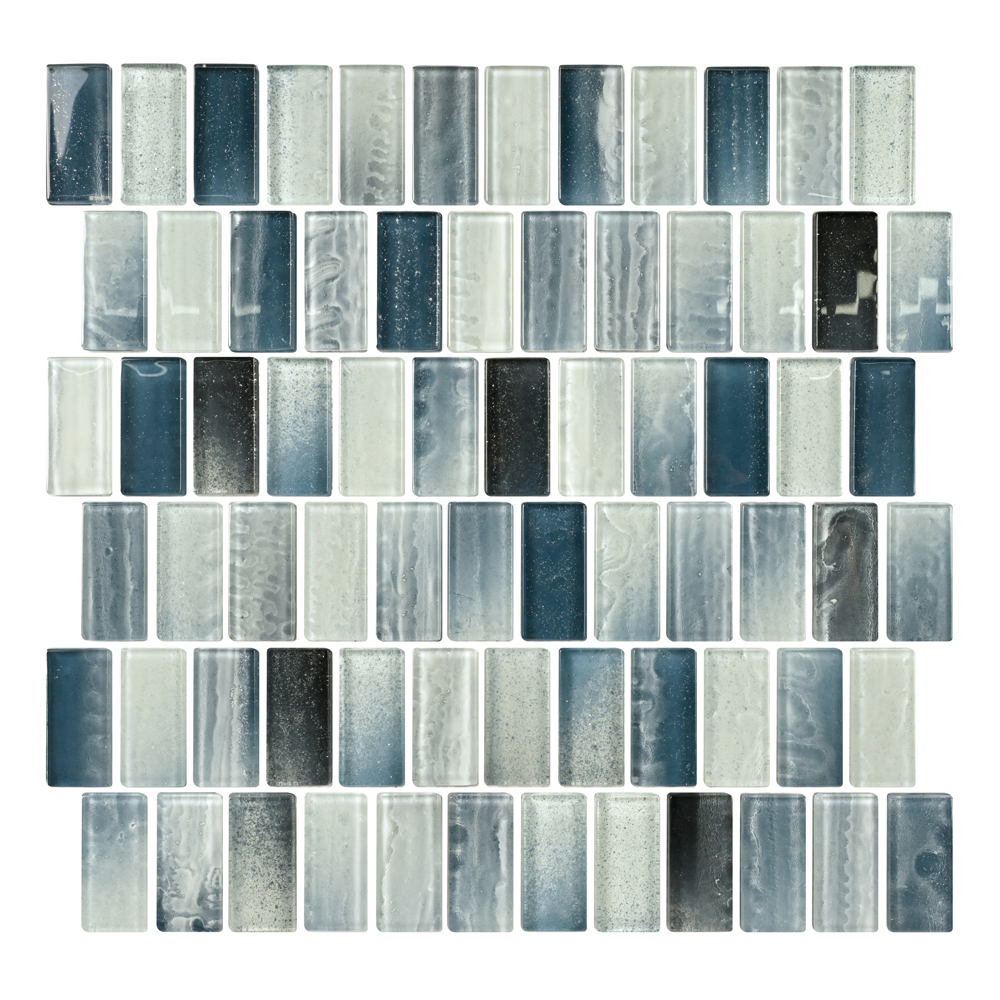
Deep blue creates a different relationship between water and architecture. Where lighter turquoise suggests a tropical shoreline, darker blue evokes the open ocean, bringing a stronger sense of depth, contrast, and visual focus to a swimming pool.
This palette can be particularly effective in contemporary hotels, infinity pools, and architectural settings defined by clean lines and expansive views. Against pale stone, concrete, or minimalist structures, deep blue can become a striking visual element without requiring additional decoration.
The result is not always a uniform, dark surface. Variations in blue, combined with the reflections of the sky and surrounding buildings, can create a more layered appearance. The choice of mosaic tone and pattern influences whether the pool feels dramatic and atmospheric or crisp and architectural.
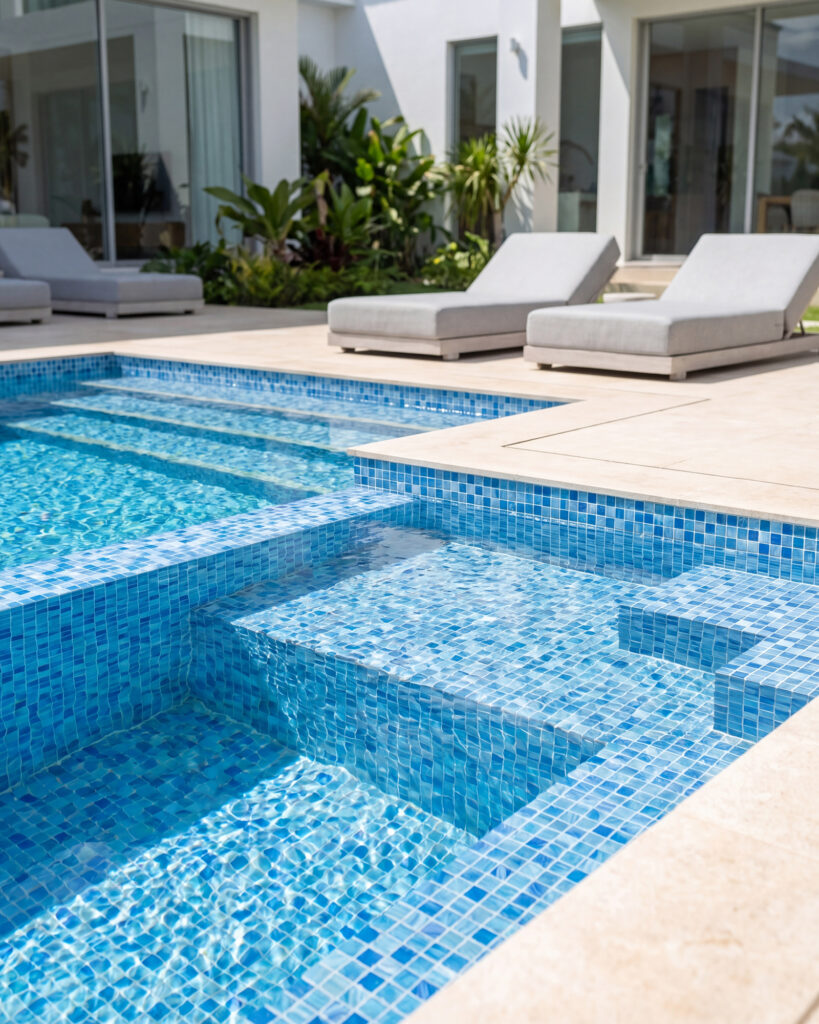
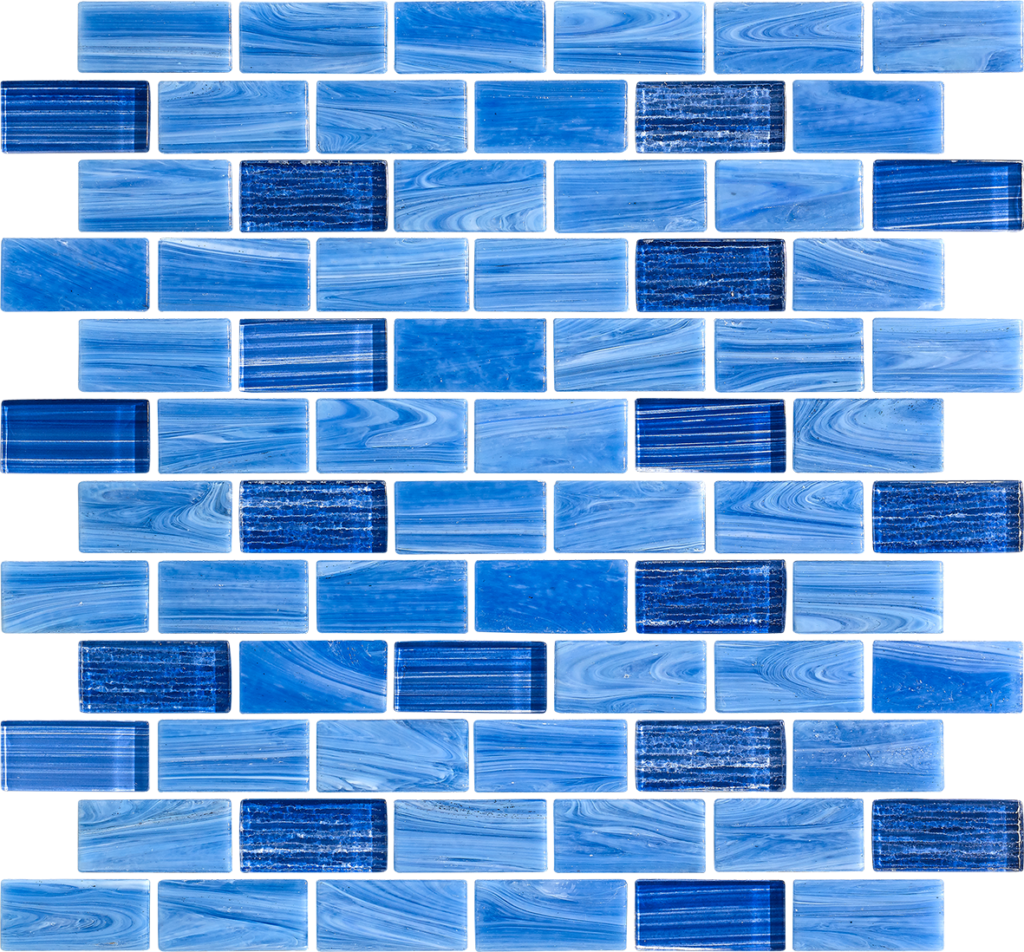
For projects exploring this direction, JNJMosaic’s Crystal & Opal Series includes SHDR-001 , while the Hot Melt Series offers MXGR-003, MXGR-006, and MXGR-007 as additional options to consider.
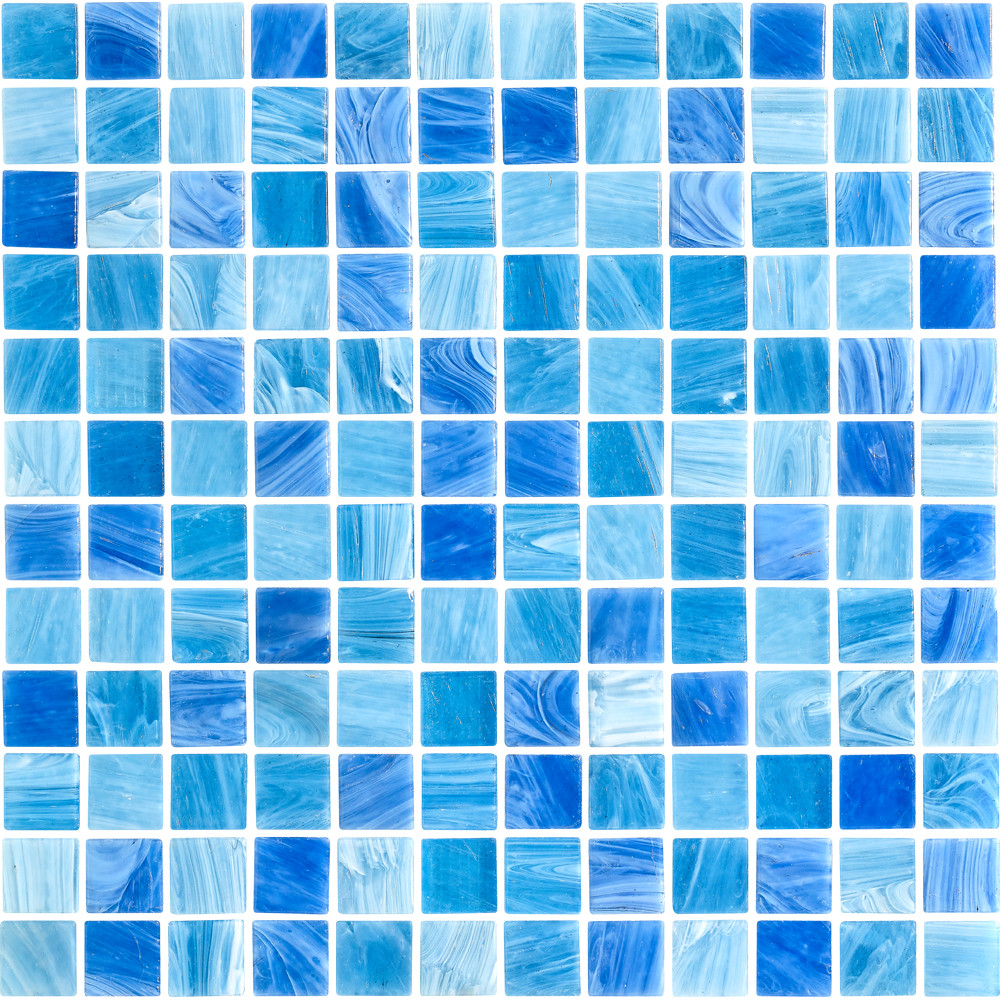
The final effect depends on more than the tile color alone. Pool depth, natural light, and the materials around the water all contribute to the visual result.
3. White, Silver, and Soft Neutrals: The Beauty of Restraint
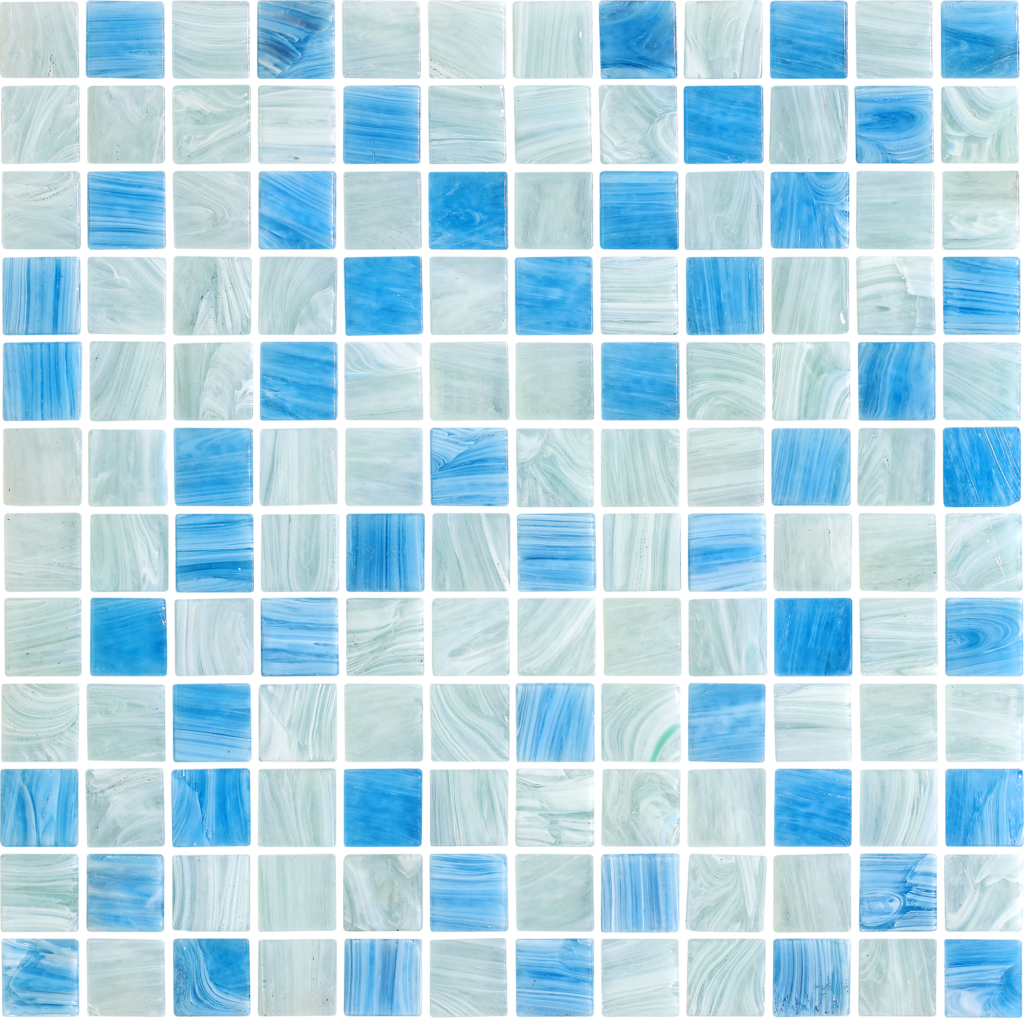
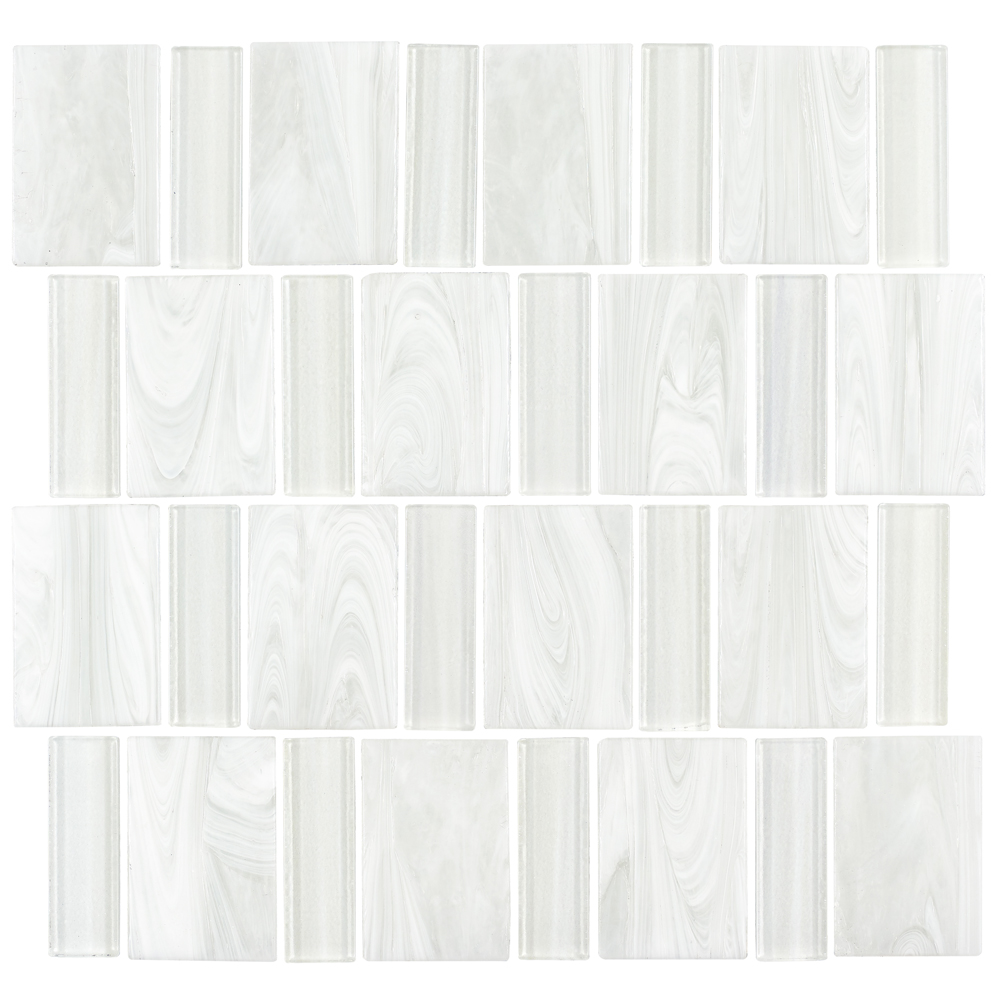
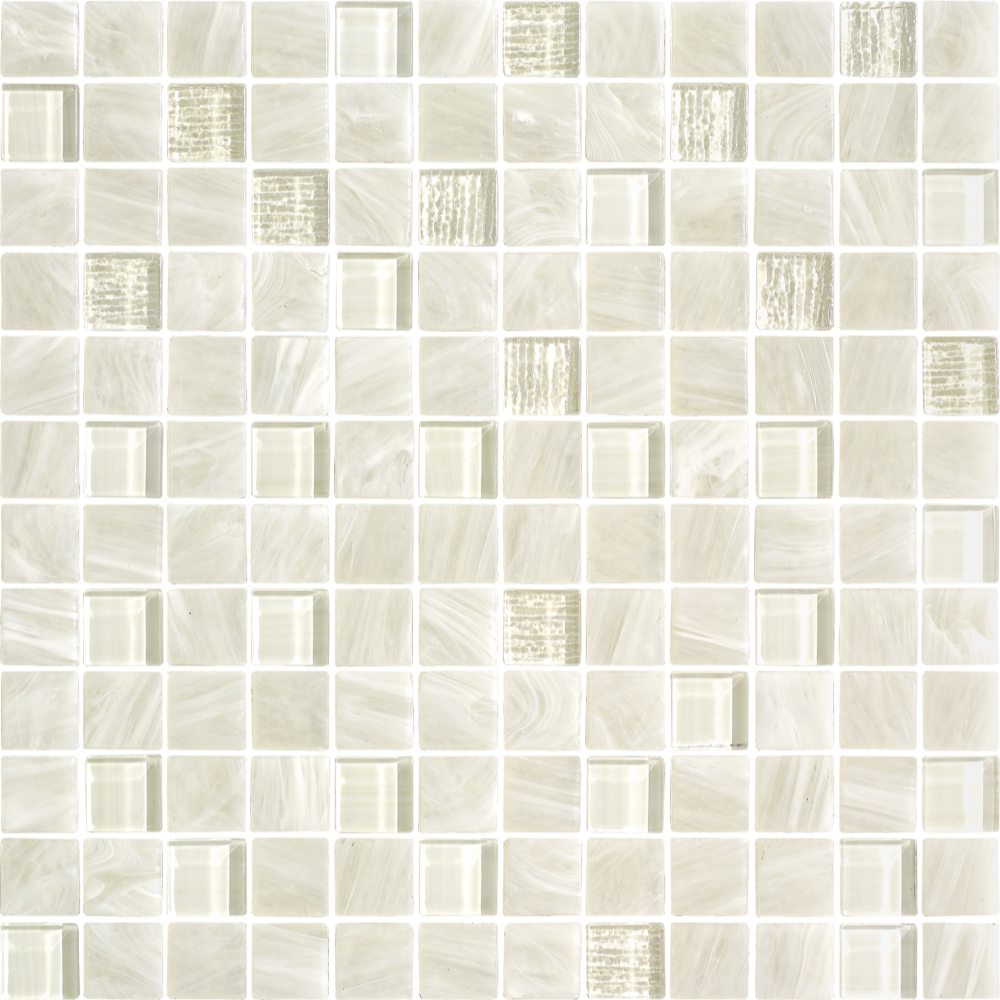
Not every pool needs a strong blue surface to make an impression. White, silver, and soft grey mosaics offer a quieter aesthetic, allowing light, reflections, and architectural details to take the lead.
These tones work naturally with pale stone, smooth concrete, glass, and contemporary landscaping. In luxury residential projects and modern hospitality spaces, they can create an atmosphere that feels understated, open, and refined.
Neutral mosaics are especially interesting because their appearance can shift throughout the day. Under bright sunlight, a light surface may feel luminous and airy. As the light softens, subtle grey or silver tones can become more noticeable, adding dimension without introducing a dominant color.
This restrained palette also allows other elements to stand out, whether that means sculptural architecture, carefully selected planting, or a panoramic view.
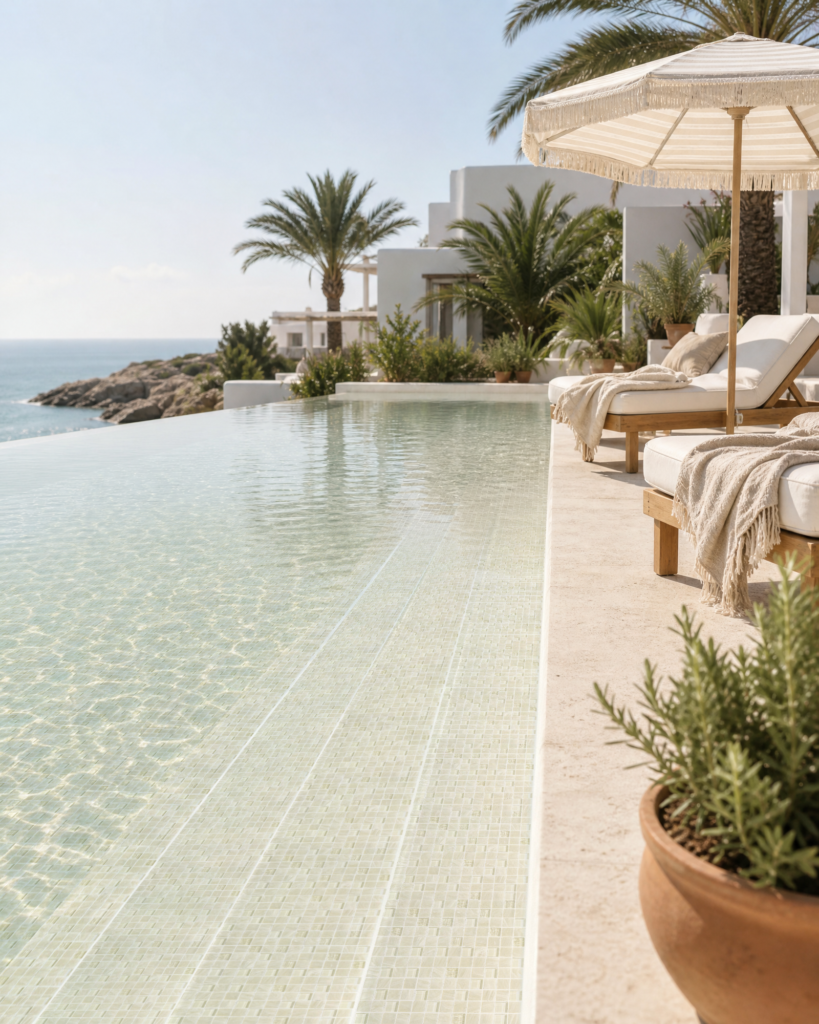
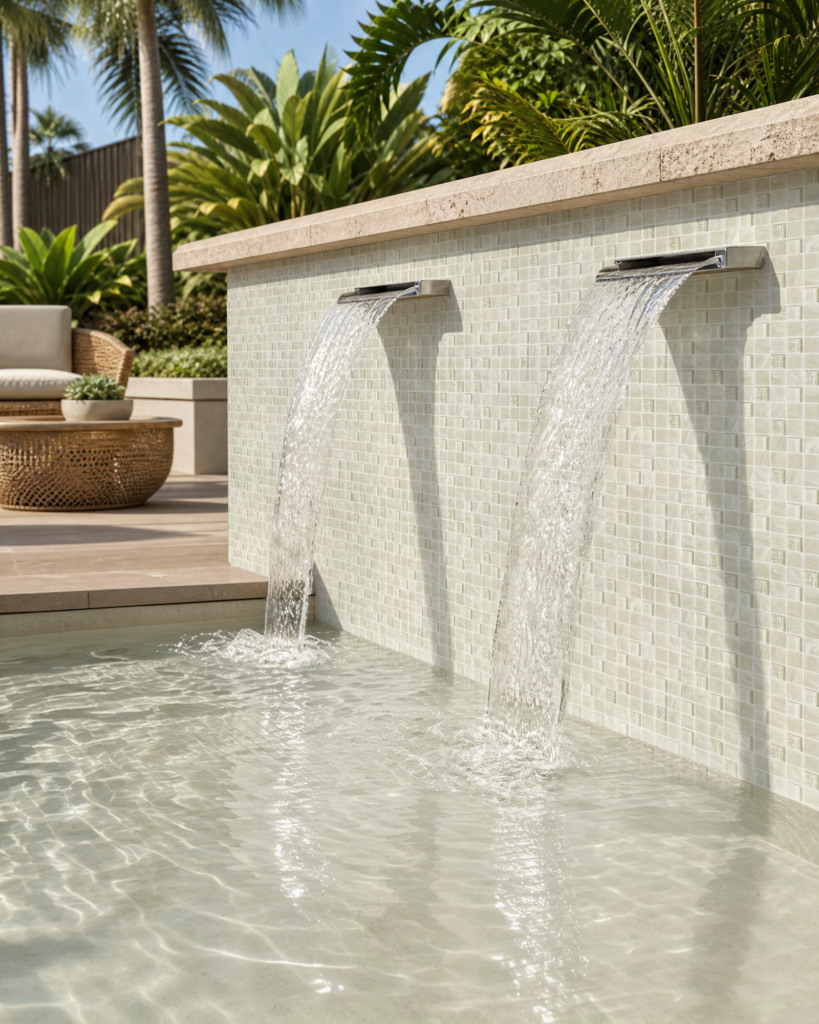
JNJMosaic’s Crystal & Opal Series includes SHDR-003, and SHDR-002 for projects exploring lighter and more neutral tones. Options from the Hot Melt Series, including MXGR-008 and MXGR-019, can also be considered when developing a complementary palette.
Rather than treating neutral colors as a blank background, designers can use their subtle variations to shape the mood of the entire aquatic space.
4. Artistic Pool Mosaics: When Water Becomes a Canvas
Sometimes, the pool itself is intended to be a work of art.
Artistic pool mosaics introduce patterns, flowing compositions, and decorative imagery beneath the water, transforming the pool floor or walls into an integral part of the overall design. Instead of simply choosing a color, the designer works with rhythm, movement, scale, and the relationship between the mosaic and the surrounding space.
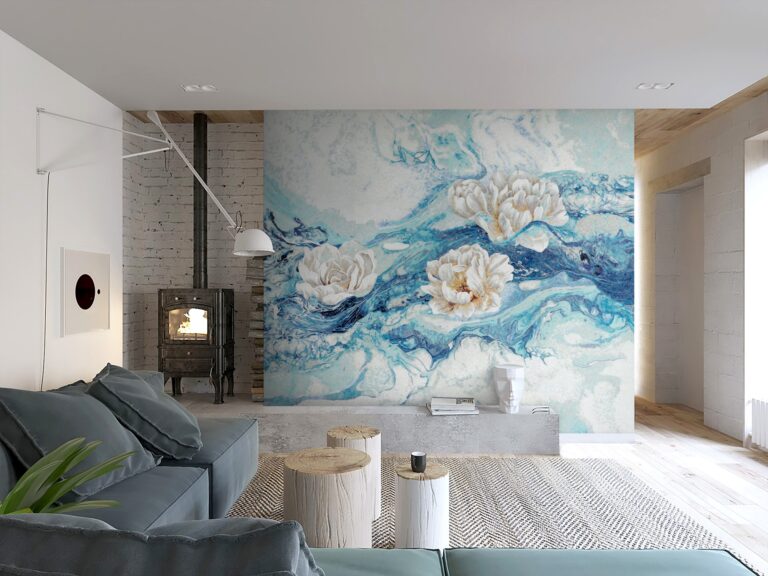
A flowing blue composition can echo the movement of water. A floral motif can soften a formal architectural setting. More elaborate patterns can create a distinctive focal point in a resort, private villa, or hospitality project where the pool is central to the experience.
The challenge is to make the artwork feel connected to the architecture rather than applied as an afterthought. Pattern scale, viewing distance, color balance, and the shape of the pool all influence how a design is perceived. A composition that looks intricate up close may read as a flowing field of color from a distance.
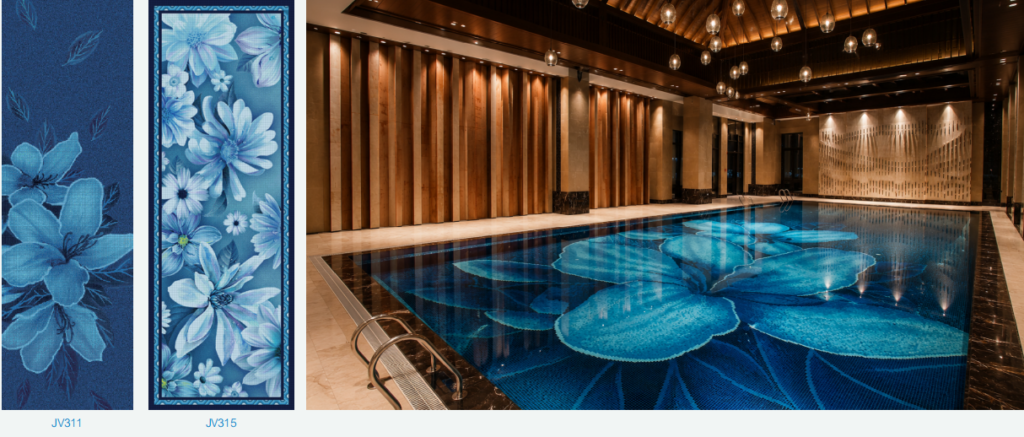
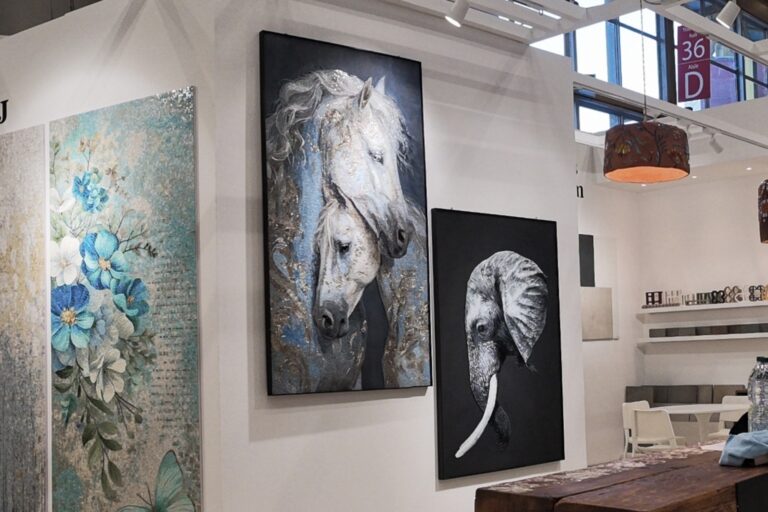
JNJMosaic’s artistic mosaic designs, including JV311, JV315, JV313, JV462, JV463, and JV465, offer inspiration for pools where craftsmanship and visual storytelling are as important as color.
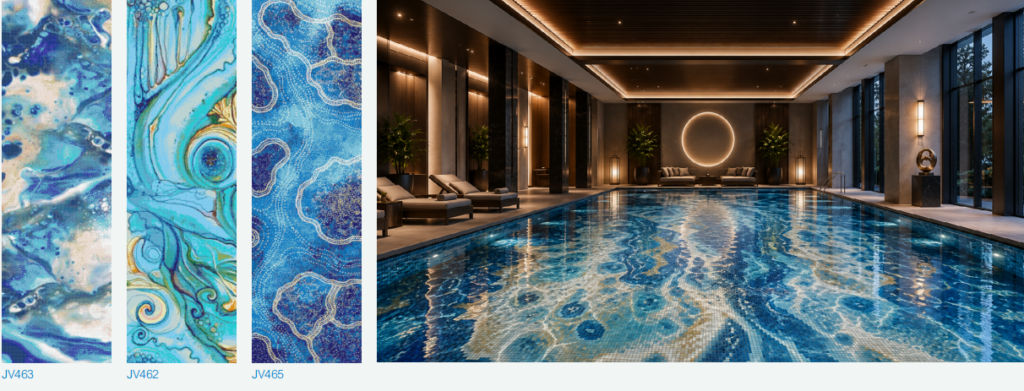
In these spaces, the mosaic does more than line a pool. It helps establish the identity of the place.
Looking Beyond the Color
Choosing pool mosaic tiles is ultimately about deciding how the water should relate to its surroundings.
Should it feel like a natural lagoon, create a dramatic architectural contrast, reflect light through a restrained neutral palette, or become a canvas for artistic expression? Each direction creates a different atmosphere, and the right choice depends on the project’s architecture, landscape, lighting, and intended experience.
It is also worth remembering that a mosaic’s appearance can change once it is installed underwater. Water depth, sunlight, reflections, and nearby materials all influence the colors we see. Reviewing physical samples alongside the project’s actual materials can therefore be a valuable part of the design process.
For more inspiration, browse JNJMosaic’s swimming pool and spa mosaic collection to explore mosaic options for different aquatic spaces, from subtle color palettes to more expressive designs.
For architects, designers, and project teams developing a specific pool or wellness project, discover JNJMosaic’s swimming pool and spa mosaic solutions to learn more about custom design possibilities and project support.