An introduction to the materials, craftsmanship and collaboration behind JNJMosaic’s approach to architectural mosaic.
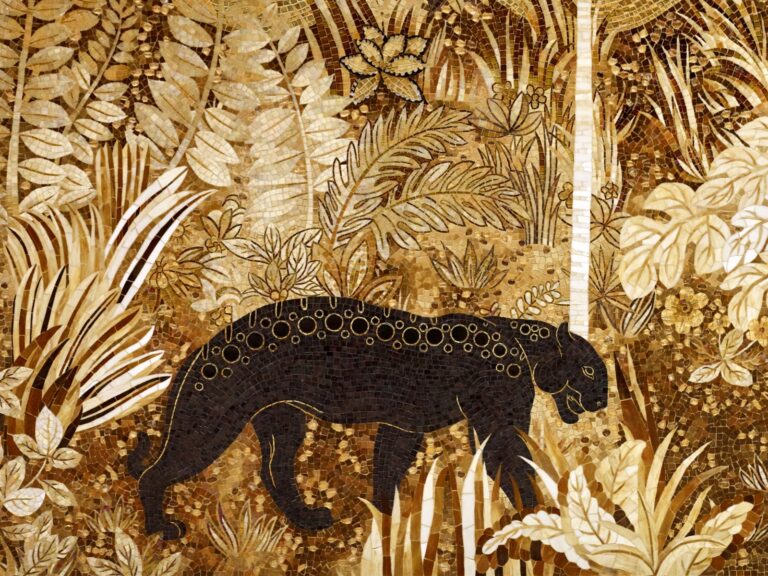
A mosaic is experienced at different distances. Across a room, it becomes a composition: a flowing landscape, a field of colour or a surface that catches the light. Up close, individual pieces reveal the decisions behind that impression—their shape, direction, texture and placement.
JNJMosaic works across these scales. Its approach brings artistic creation, material development and manufacturing together, helping architects, interior designers and project teams create mosaic surfaces with a distinct place in their surroundings.
From a golden retail façade in Bangkok to a rooftop infinity pool in Hangzhou, each project begins with a particular setting and a question: what should the mosaic bring to this space?
A Foundation in Materials and Making
JNJMosaic was established in 2001 under Weiqi Enterprise, whose history in mosaic dates to 1992. This background connects the brand’s design work with practical experience in material research, production and craftsmanship.
Over time, that foundation has developed into an approach spanning standard glass mosaic collections, bespoke murals and architectural applications. Hotels, commercial interiors, luxury residences, pools and cultural spaces each introduce different requirements for scale, atmosphere and execution.
Understanding those requirements is part of the work. A mural needs a composition that reads at its intended viewing distance. A repeated surface needs a considered balance of colour and texture. An architectural installation needs the design to remain coherent across edges, curves and changes in scale.
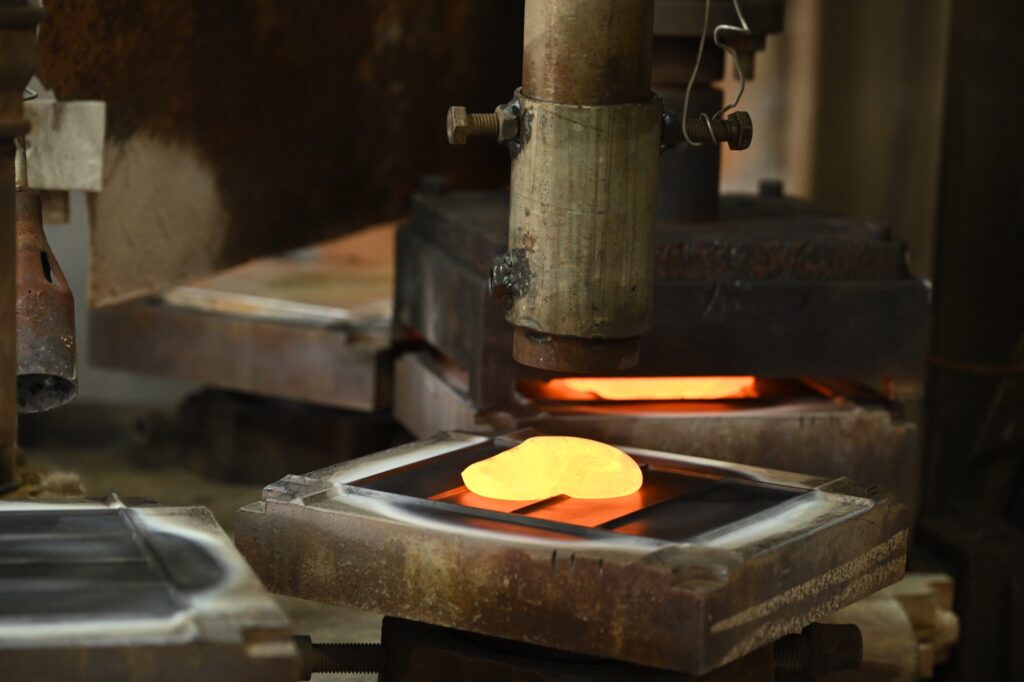
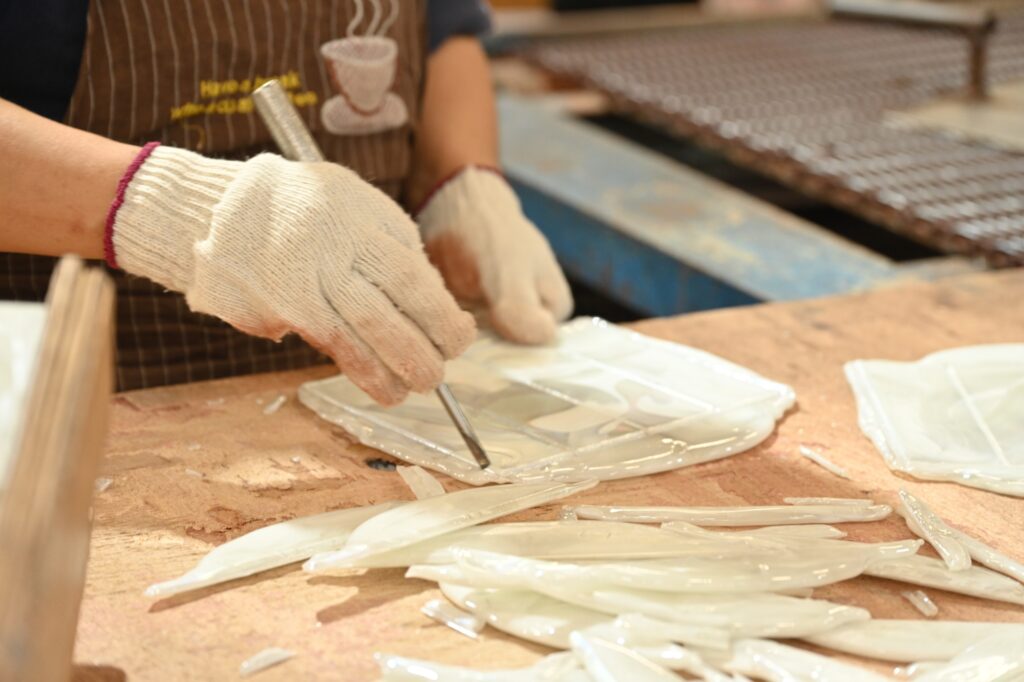
Colour Takes Physical Form
Colour in mosaic is inseparable from the material carrying it.
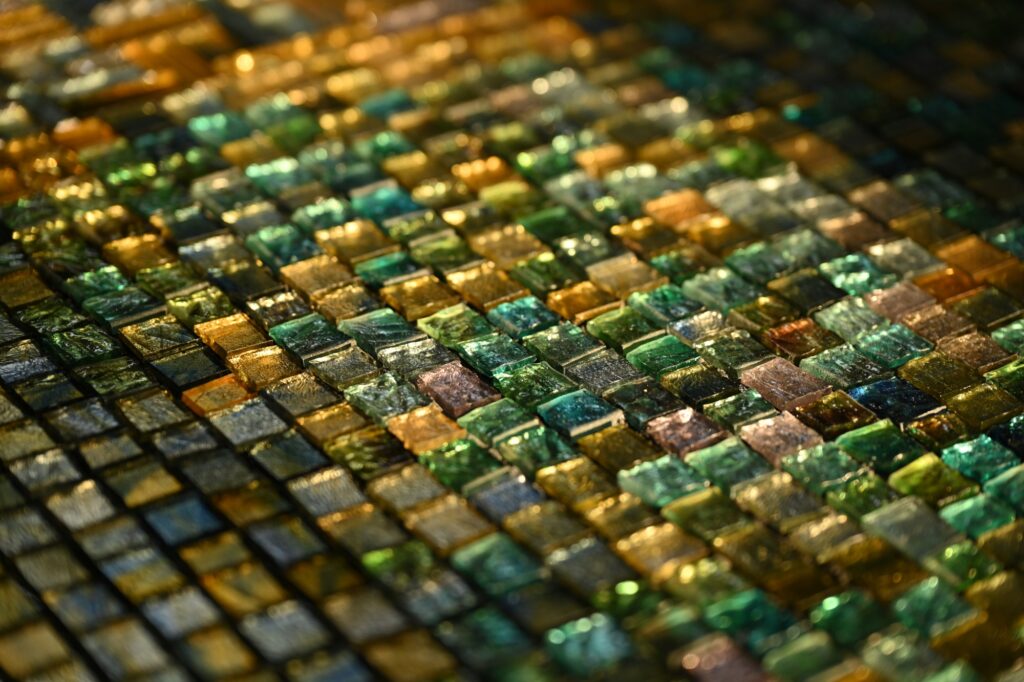
Two pieces with a similar hue can behave differently under light. One may appear quiet and even; another may introduce reflections, tonal variation or a textured edge. When assembled across a larger surface, these small differences shape the overall impression.
JNJMosaic’s collections provide a material vocabulary for exploring those relationships. Hot Melt, Opal and Crystal mosaics offer different starting points for colour, form and surface expression. Selection develops around the intended design and application.
For an artistic wall, the discussion may focus on how colours build depth or define a subject. For a pool, it may concern the relationship between the mosaic, water and surrounding architecture. In a commercial interior, the material may help establish a recognisable visual identity.
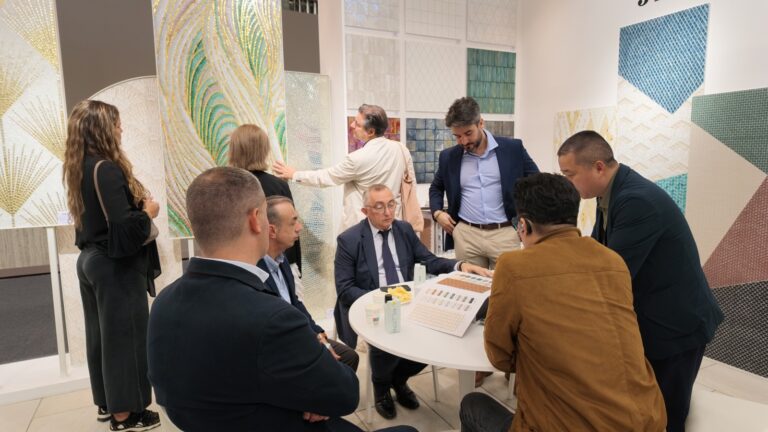
Physical samples give these conversations something tangible. Designers can consider the colour alongside its texture and reflection, then assess how it relates to the wider material palette.
The Decisions Behind the Craft
Translating a drawing into mosaic involves interpretation at every stage.
A curved line must be formed from individual pieces. A colour transition needs a sequence of materials. Details must remain legible within the dimensions of the finished work.
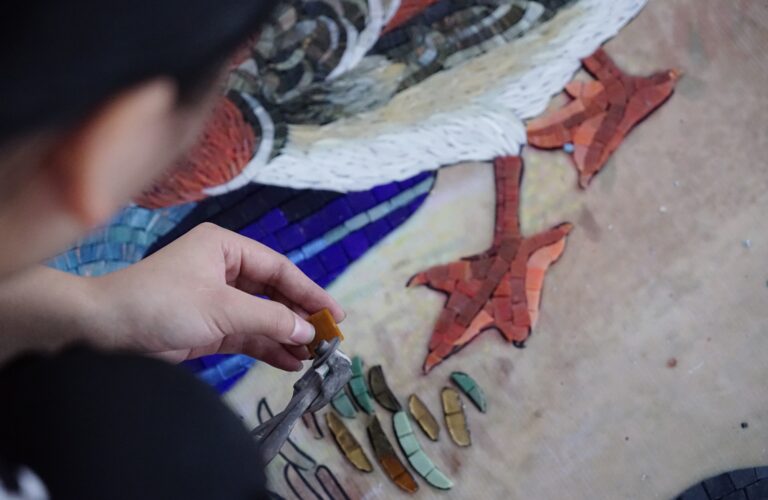
JNJMosaic uses hand-cutting, pixel-based assembly and waterjet cutting to address different design requirements. The appropriate technique depends on the composition, materials and project conditions.
Hand-cutting allows craftspeople to shape and adjust pieces around a particular contour. Pixel-based assembly organises an image through standard units and controlled colour placement. Waterjet cutting supports geometric forms and intricate curves.
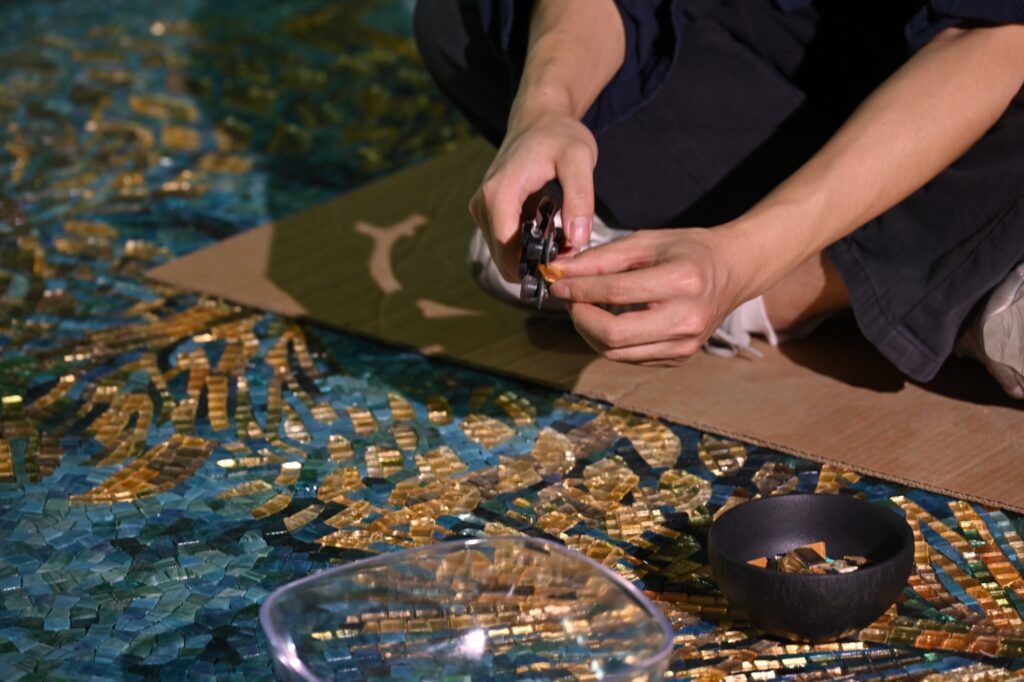
Sampling and assembly bring another level of judgment. A small section can help establish a treatment for a line, texture or colour transition. As the work grows, the complete composition needs its own review.
The production photographs for Song He Lian Nian, a mosaic featuring cranes and pine trees, show this movement between detail and whole. Material selection, cutting, assembly and overall adjustment all contribute to the finished image.
This is where design and craftsmanship remain closely connected: the work continues to be evaluated as it takes shape.
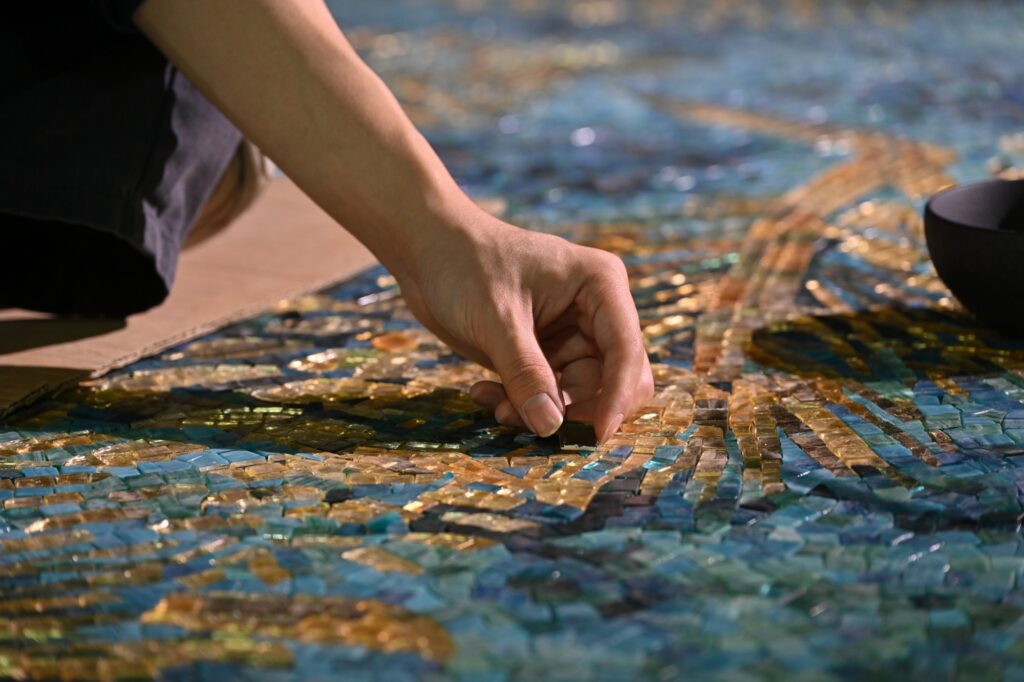
Explore JNJMosaic’s custom mosaic design and production process.
Three Projects, Three Spatial Expressions
The role of mosaic becomes clearest in the spaces where it is used. These three projects show different ways that materials and craftsmanship can respond to architecture.
Dior Gold House, Bangkok
At Dior Gold House, the golden exterior gives mosaic an architectural role. The surface contributes to the building’s identity through its colour, texture and response to daylight.
JNJMosaic collaborated with ARTRA INTERIOR on the project. Its documented contribution includes custom colour development and piece-by-piece inspection, connecting the intended gold finish with the demands of a large façade.
The project illustrates how a material developed at the scale of an individual piece can contribute to the presence of an entire building.
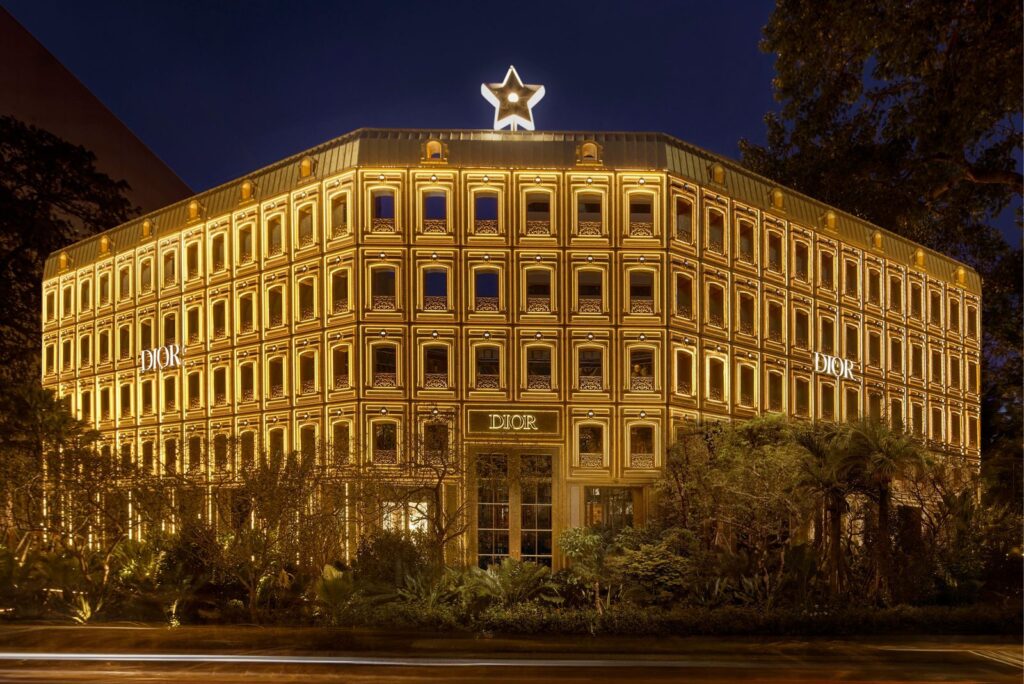
The gold mosaic façade of Dior Gold House in Bangkok.
View the Dior Gold House project.
Fairmont Doha, Qatar
At Fairmont Doha, mosaic forms part of a broader interior language inspired by desert and marine landscapes.
Across the hotel’s documented applications, flowing patterns, luminous surfaces and artistic compositions connect different spaces with a shared cultural reference. Their execution brings together material selection, detailed fabrication and coordination across a complex hospitality environment.
The project demonstrates how a mosaic vocabulary can develop across multiple settings while allowing each space its own character.
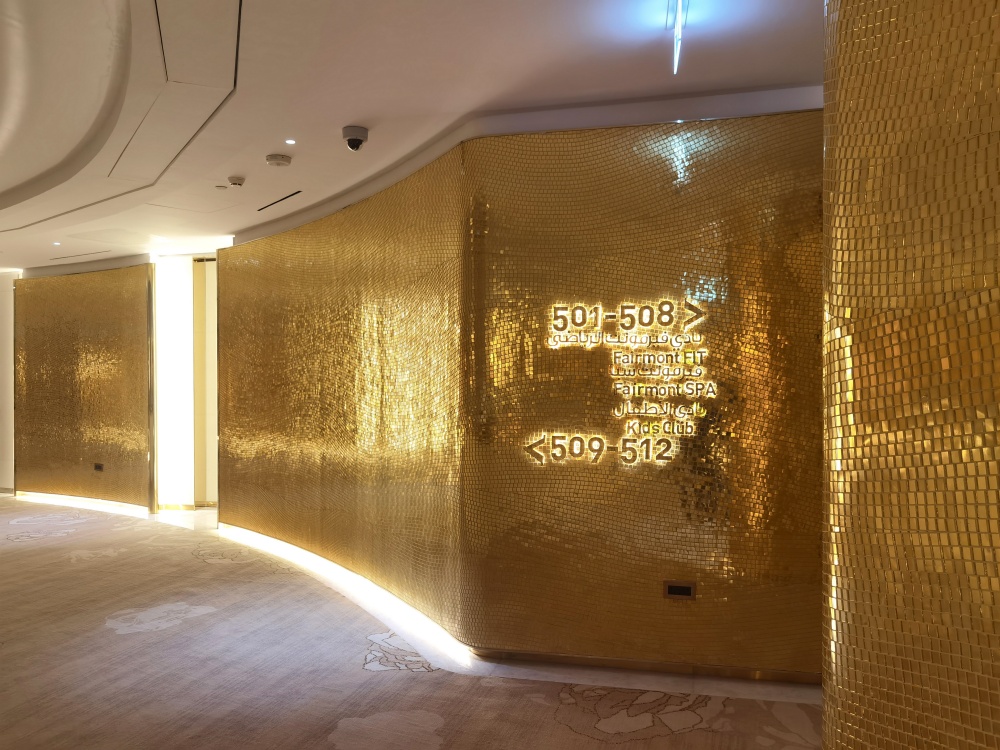
Bespoke mosaic surfaces within the interiors of Fairmont Doha.
View the Fairmont Doha project.
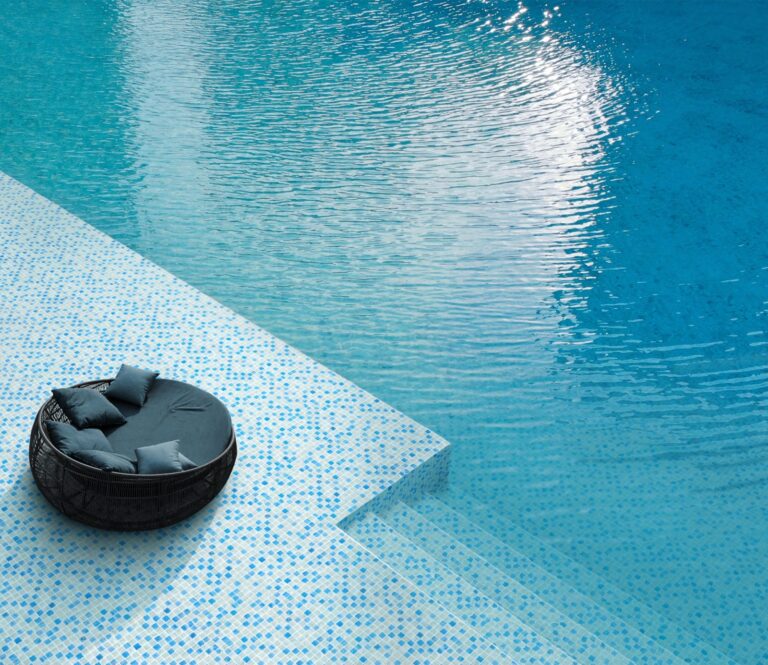
Starry City Rooftop Infinity Pool, Hangzhou
At Starry City, the rooftop setting places mosaic in conversation with water, open sky and the city beyond.
The pool’s glass mosaic contributes underwater texture and reflected light. Viewed across the water, these details become part of a larger composition defined by the pool edge and surrounding architecture.
It is a different expression of the same material-led approach: considering how individual pieces will be experienced within the complete setting.
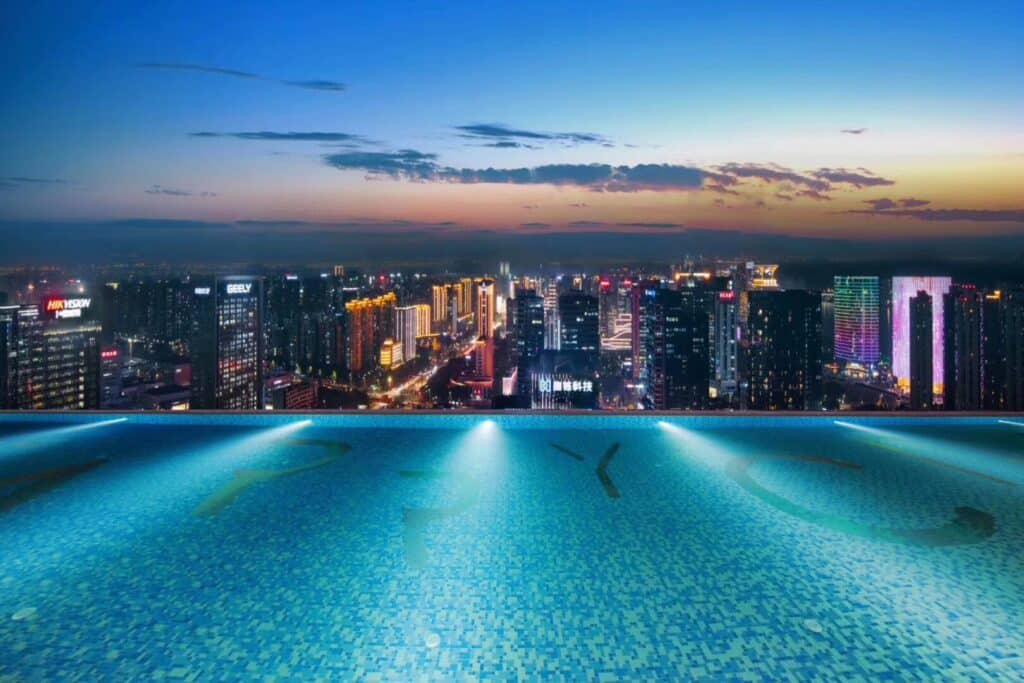
View the Starry City Rooftop Infinity Pool project.
Working Alongside the Design Team
A successful mosaic project depends on shared decisions.
Early discussions establish the intended atmosphere, dimensions, application and design priorities. Material reviews and samples help the team assess colour and surface effects. Production planning connects those decisions with fabrication, inspection and preparation for installation.
JNJMosaic’s services encompass design consultancy, craft and manufacturing, and project management. The scope is developed around the requirements of each project, with collaboration between the design team and the people responsible for making and implementing the work.
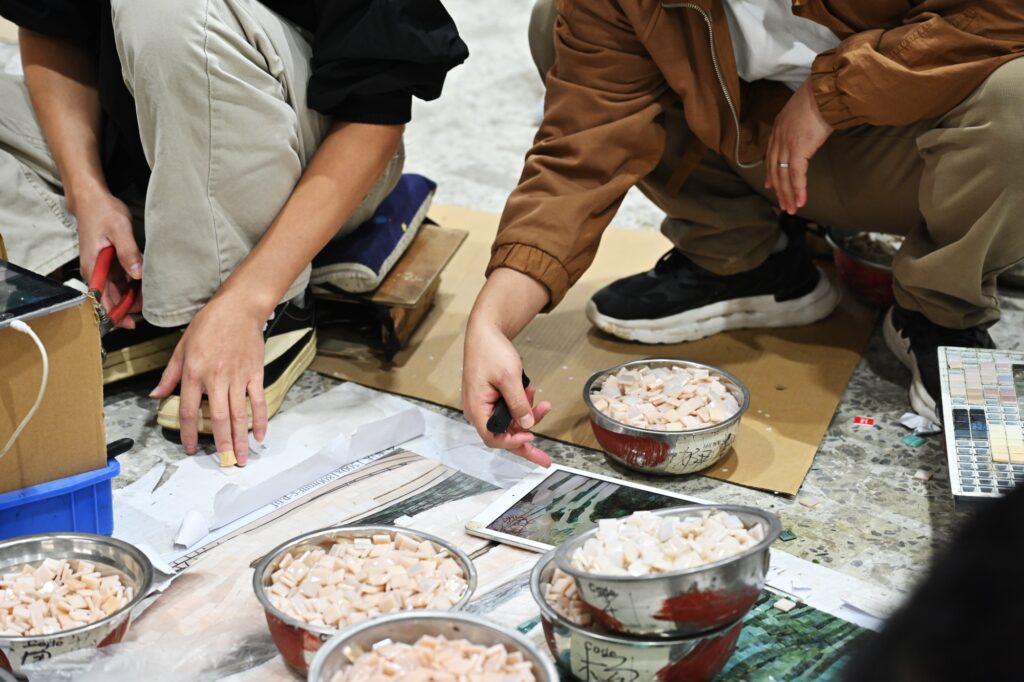
Reviewing drawings and physical materials during the development process.
For clients, a useful starting point is a reference image, preliminary dimensions and an explanation of the intended space. These provide a basis for discussing what matters most—and what needs to be explored through materials and making.
Continuing the Practice of Mosaic
JNJMosaic’s direction is rooted in the ongoing relationship between art, craft and architecture.
Alongside its commercial projects, the wider enterprise’s educational collaborations and exhibition activities reflect a continuing investment in mosaic as a creative practice. That exchange creates opportunities to explore new subjects, techniques and applications.
For JNJMosaic, each commission adds to that exploration: another opportunity to bring colour, material and human judgment into a space that people will experience every day.