CERSAIE 2026 has closed, but the ideas seen in Bologna will continue to influence how architects and designers approach surfaces well beyond the exhibition.
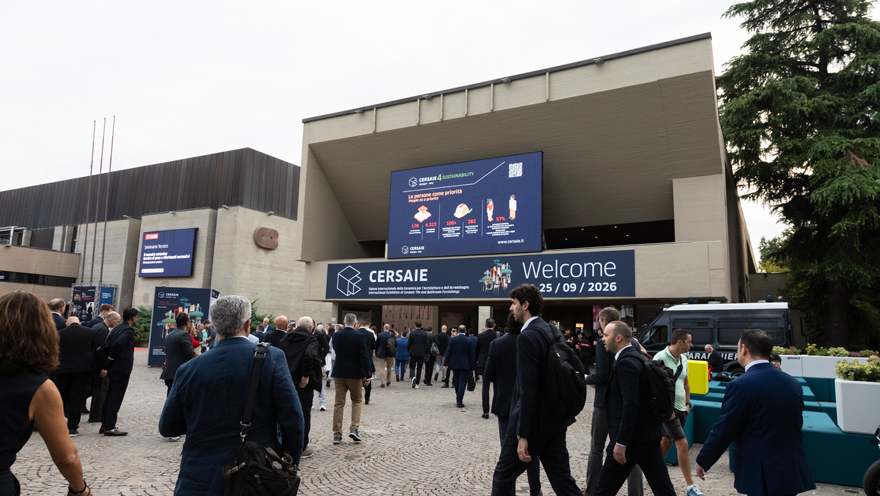
Held from September 21 to 25, the 43rd edition occupied 16 halls and 145,000 square meters at BolognaFiere. It brought together 595 exhibitors, including 233 international companies from 24 countries, and welcomed 92,352 visitors. International attendance remained particularly significant, accounting for 44,500 visitors, or 48.2% of the total, according to the official final figures published by Confindustria Ceramica.
The numbers confirm CERSAIE’s continuing role as an international meeting point for ceramics, bathroom furnishings, architectural surfaces and material innovation. Yet the most useful post-show question is not simply what was launched. It is which ideas will remain relevant as designers move from inspiration to specification.
One answer emerged clearly from this year’s conversations and industry reporting: color, material and light are becoming increasingly inseparable. Color changes through texture and finish. Material gains depth through reflection and translucency. Light is no longer only something that illuminates a surface; it actively shapes how that surface is perceived.
For mosaic design, where many individual elements combine to create a larger visual field, this relationship opens especially rich possibilities.
1. Color Is Becoming Spatial, Not Simply Decorative
Color was prominent throughout CERSAIE 2026, but not as a collection of isolated trend shades. It appeared as a way to build atmosphere, connect interiors with nature and give spaces a more individual identity.
The palettes reported from the exhibition moved in several complementary directions. Warm mineral and earth-derived shades included sand, cream, clay, terracotta, caramel, tobacco and cocoa. Botanical colors ranged from sage and olive to deeper forest greens, while dusty blues and saturated cobalt introduced cooler notes. Alongside them, metallic and oxidized tones added reflected highlights and visual complexity.
Living Corriere’s review of the fair made an important observation: the same color changes character according to light, finish and surface relief. This is particularly relevant to mosaic. A mosaic field is never perceived as one completely flat color. The dimensions of the tesserae, the joints between them, the direction of installation and the balance between matte, translucent and reflective pieces all influence how the palette reads across a space.
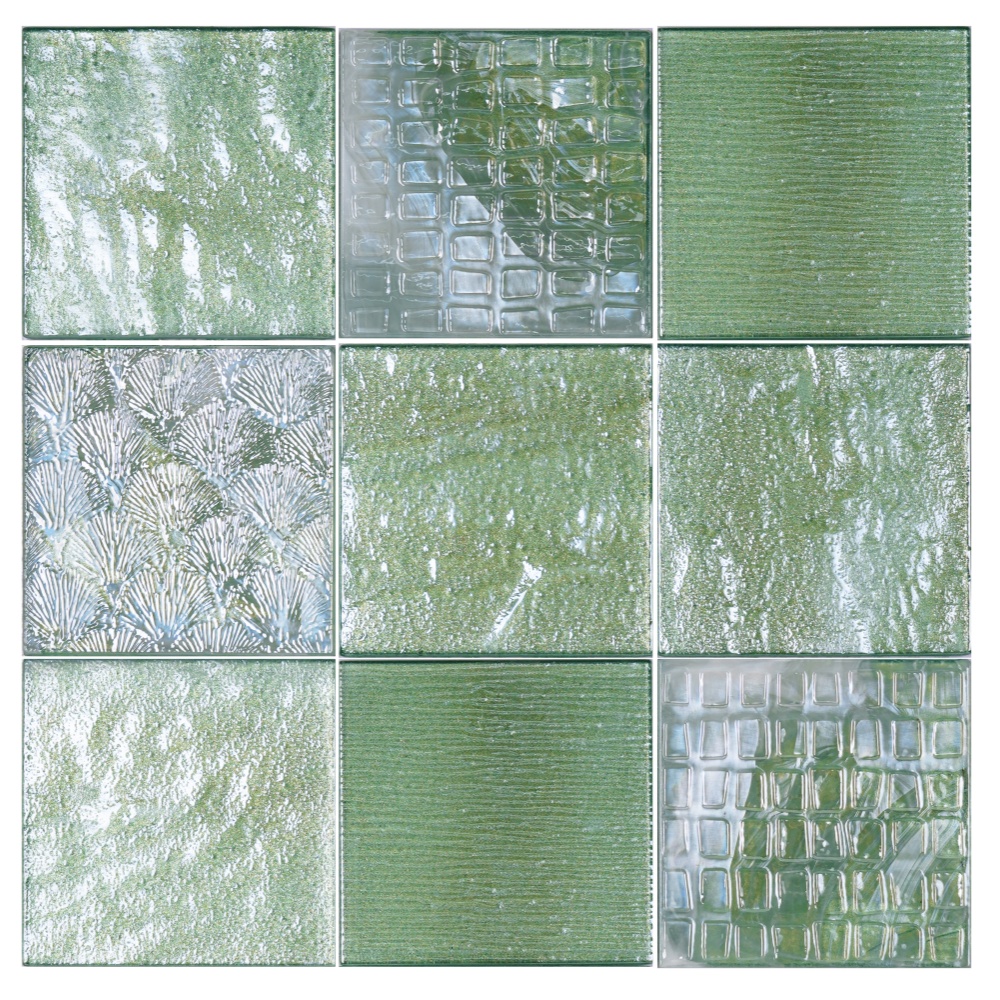
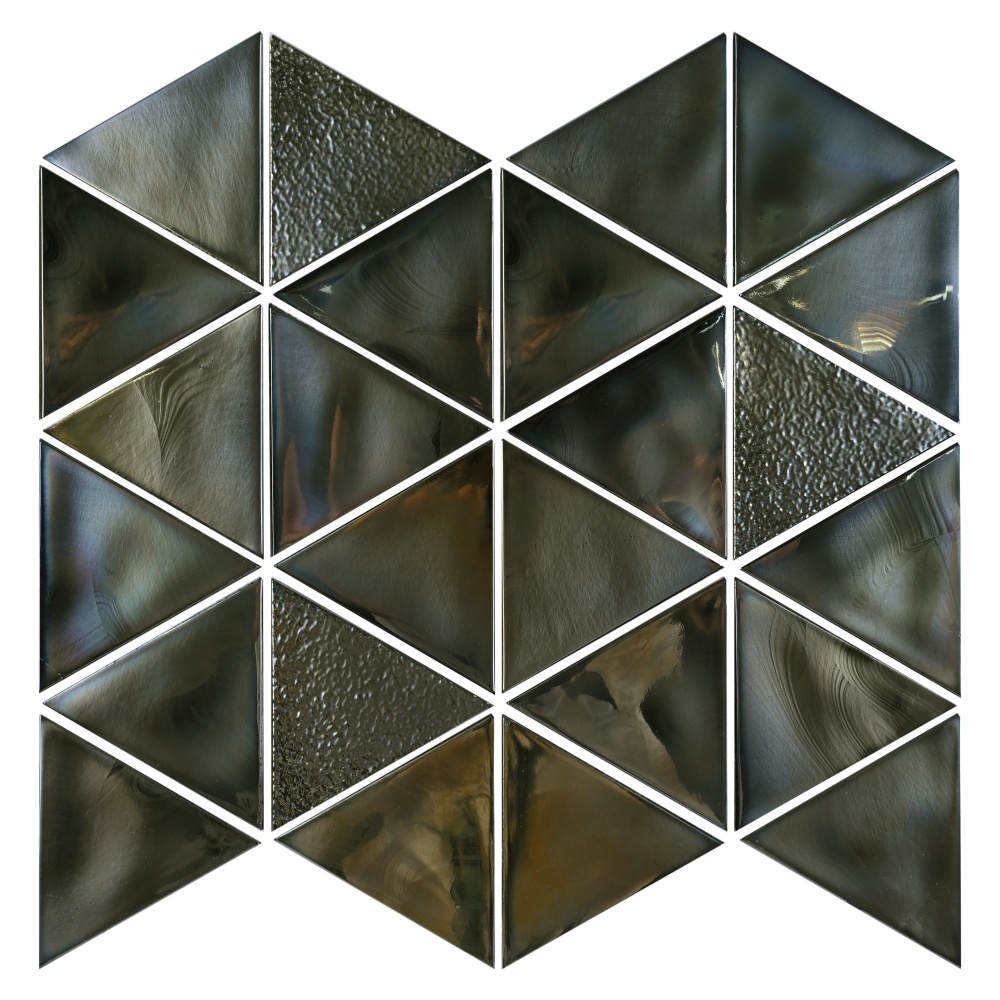
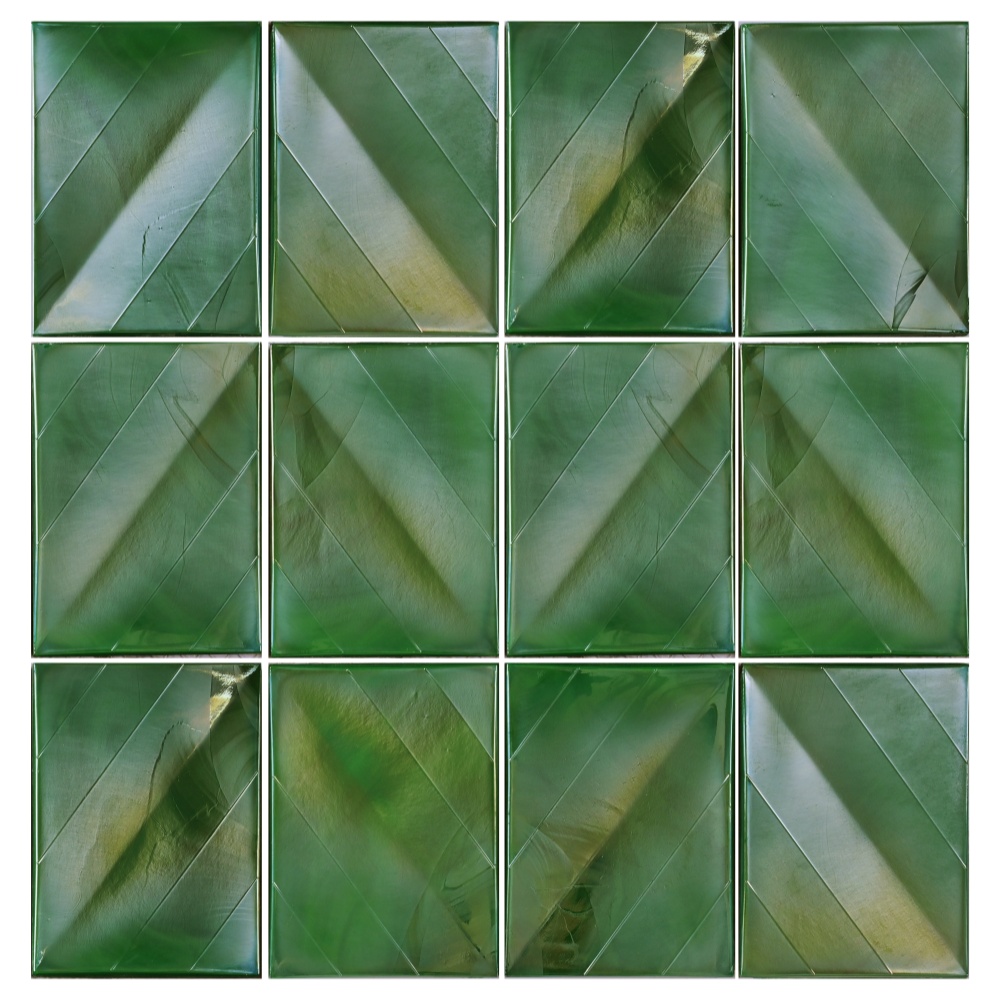
A green mosaic, for example, might feel soft and botanical when expressed through pale, textured pieces. With darker tones, sharper geometry and a more reflective finish, the same color family can become architectural and dramatic. Blue can evoke sky, mineral pigment or moving water depending on the material and its interaction with light.
The direction worth watching is therefore not one single “color of the year.” It is a more layered approach in which color is developed as part of the entire surface composition.
2. Materiality Is Moving Closer to Touch
The second major direction is materiality. Reports from CERSAIE highlighted renewed interest in terracotta, earth, clay, sandstone, terrazzo and distinctive natural stones. Rather than pursuing perfect visual uniformity, many surfaces embraced subtle tonal variations, visible veining, traces of making and small irregularities.
IFDM’s review of the exhibition described a return to traditional techniques and materials reinterpreted through a contemporary language. Its selected launches included surfaces inspired by handcrafted terracotta, compact formats made with natural pigments and fine sands, velvety stone finishes and new materials incorporating recovered resources.
The broader message is clear: realism is no longer achieved by reproducing an image alone. It comes through depth, edge, grain, relief and variation—qualities that invite people to move closer and look again.
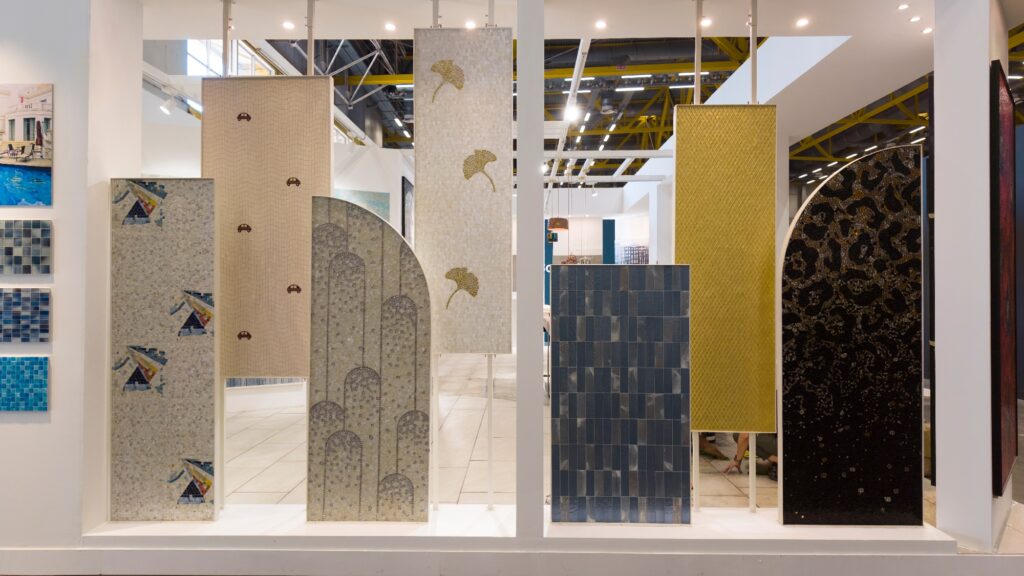
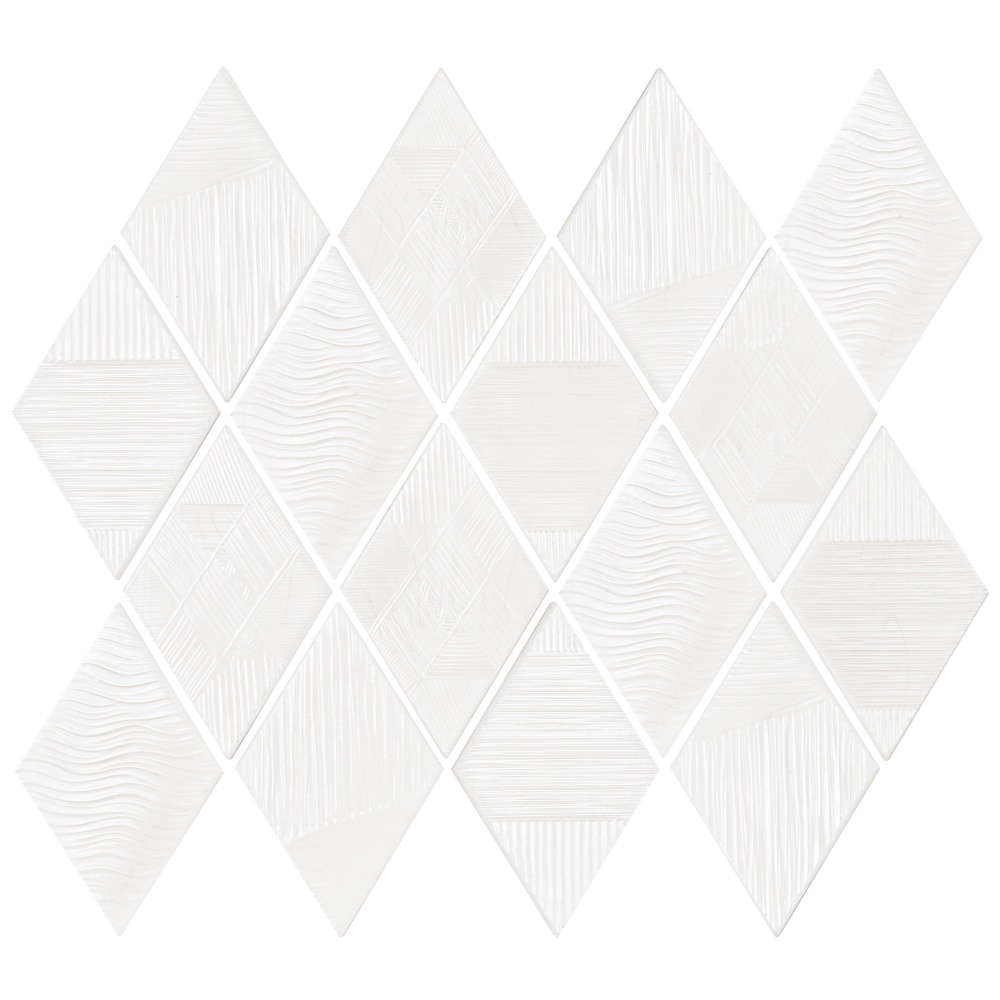
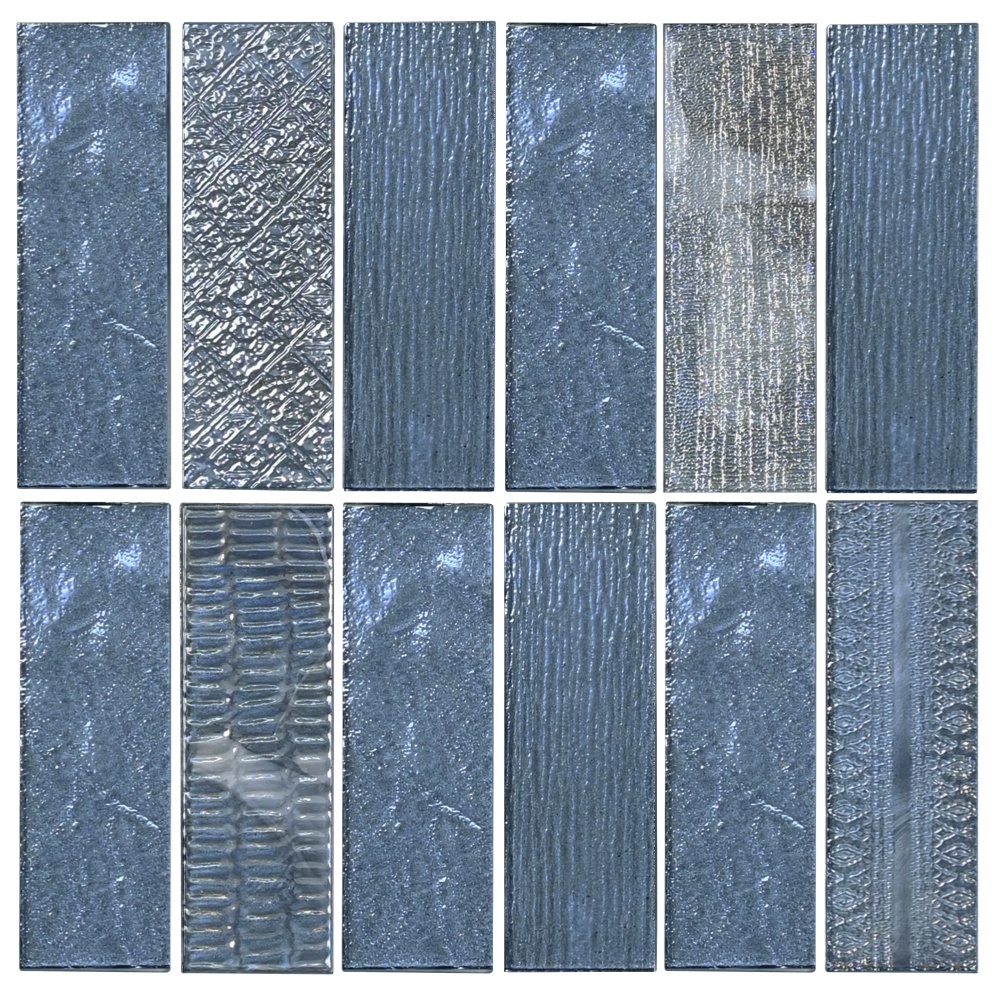
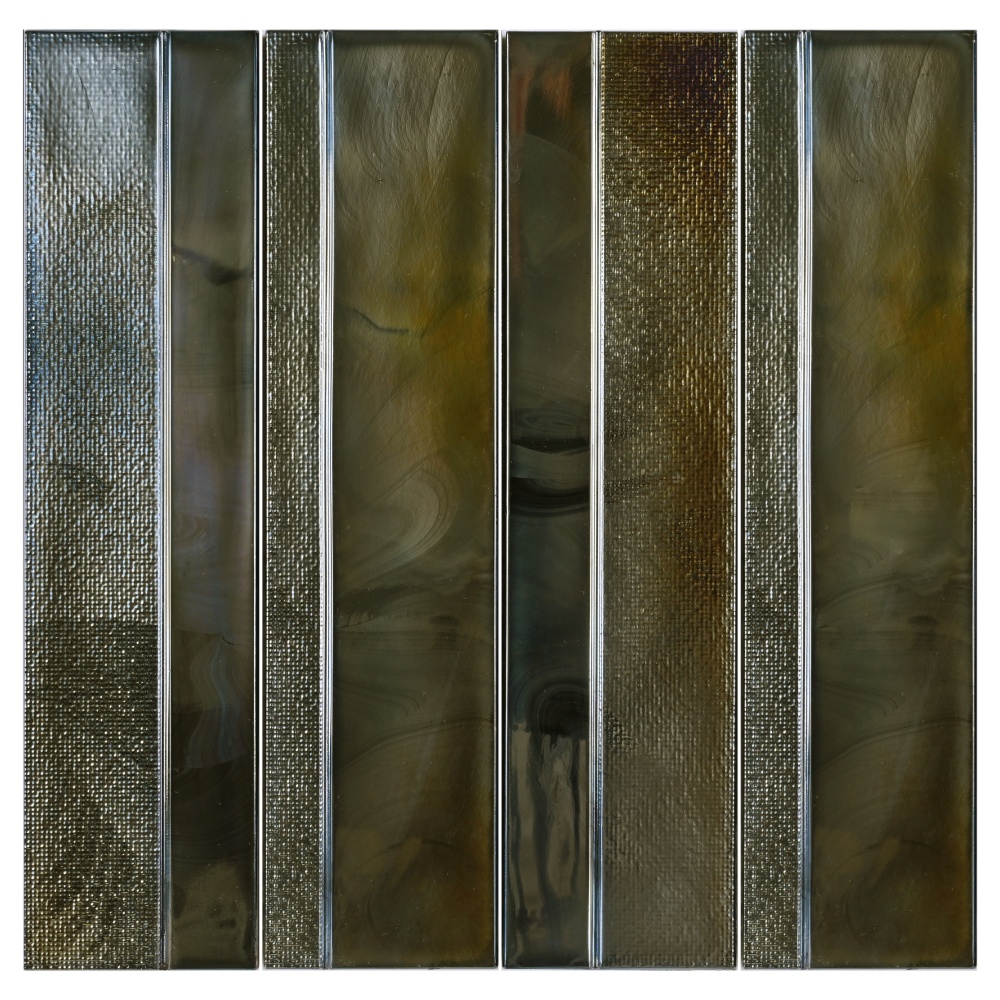
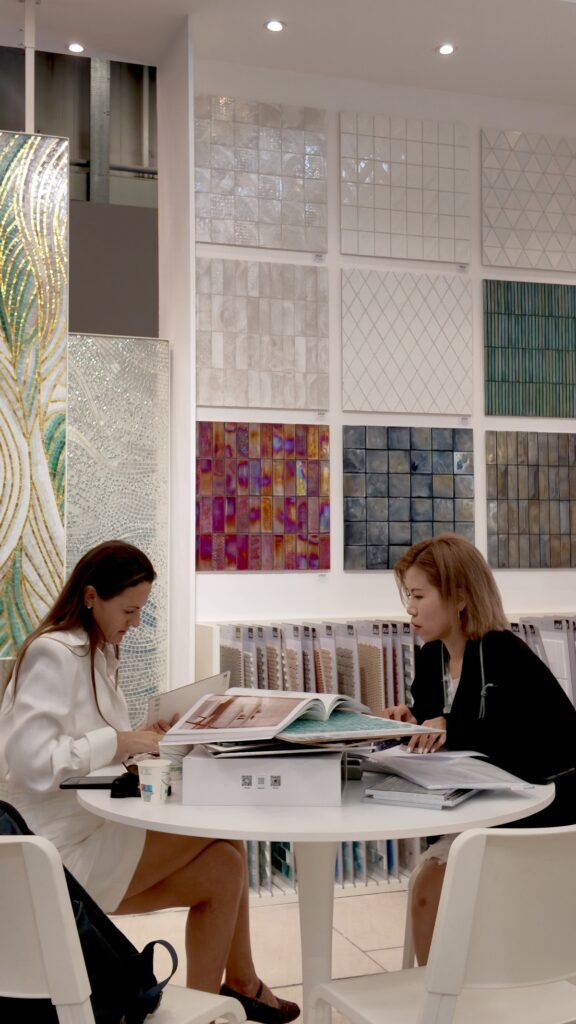
Mosaic is naturally suited to this more tactile understanding of surfaces. Even before color and imagery are considered, the individual pieces establish a physical rhythm. Smooth and textured tesserae can be combined within the same composition. Changes in thickness or finish can make a pattern visible through shadow as well as color. Geometric formats can create direction, while irregular visual details soften repetition and give a surface a more human character.
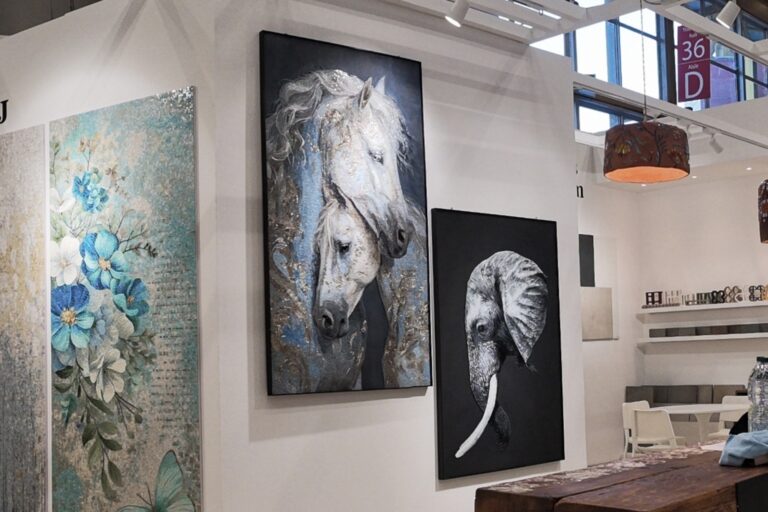
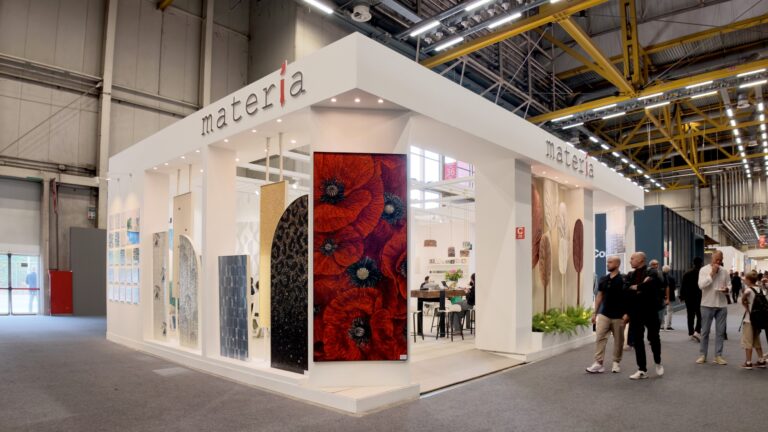
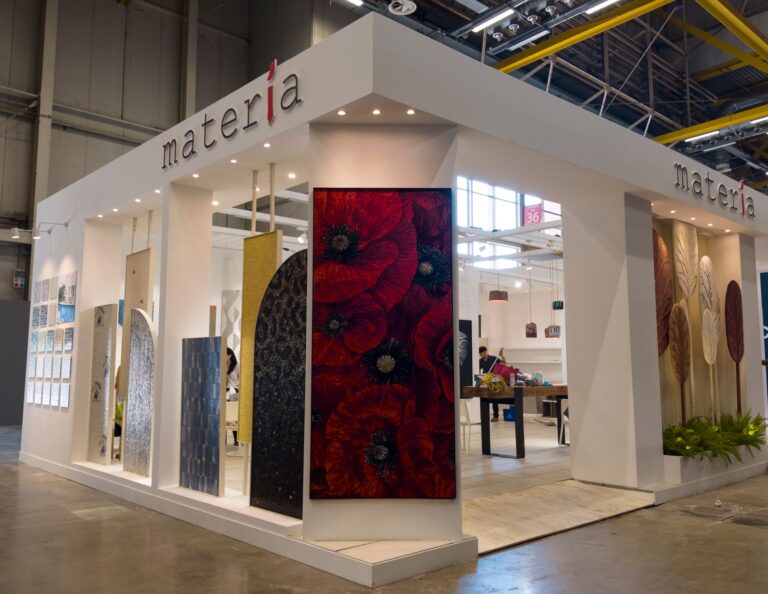
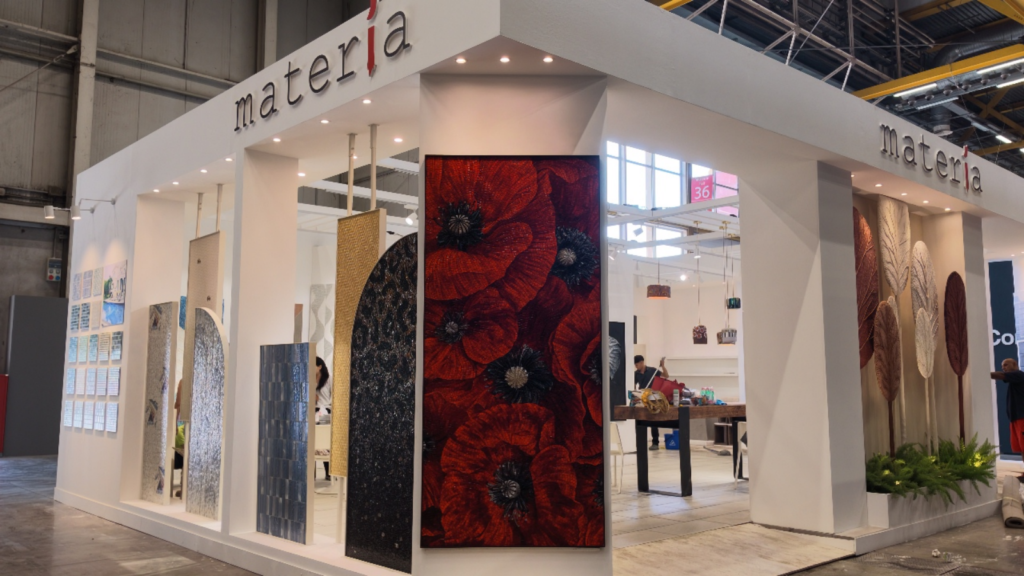
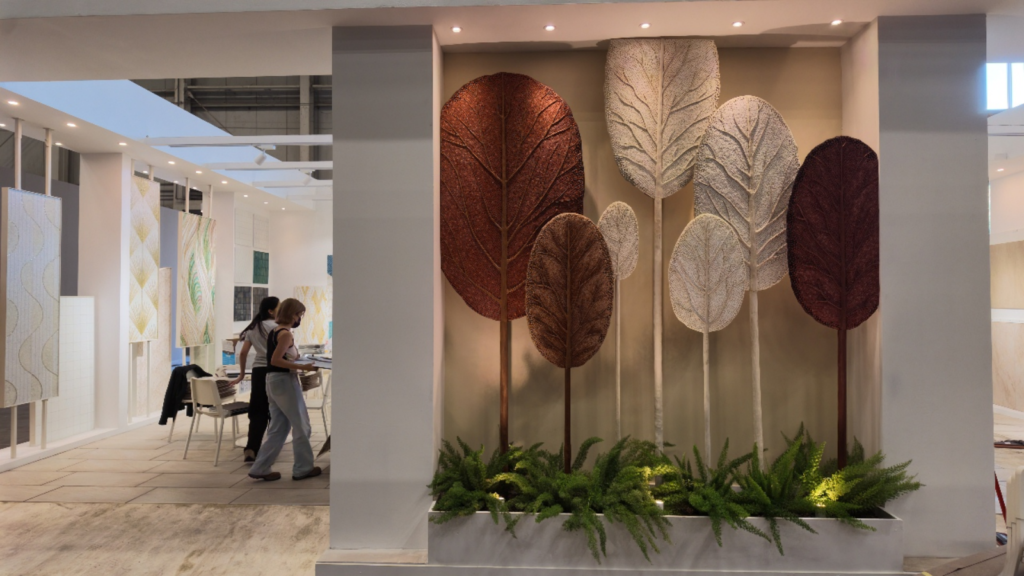
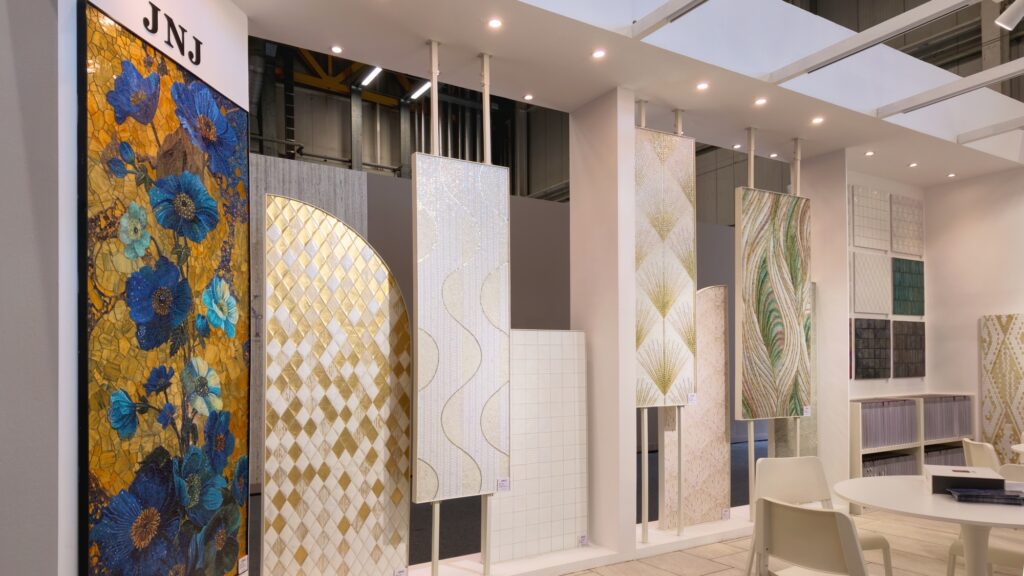
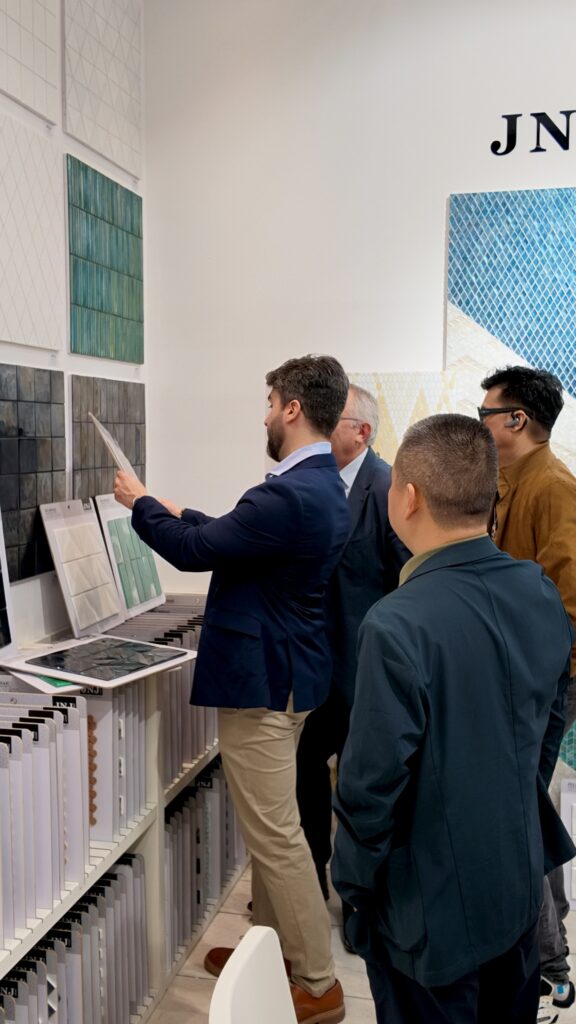
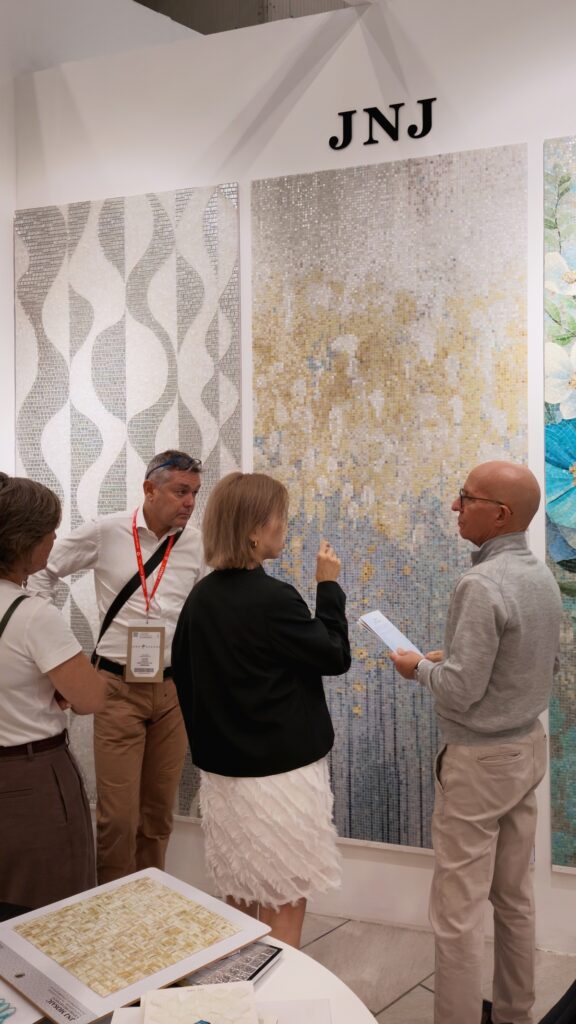
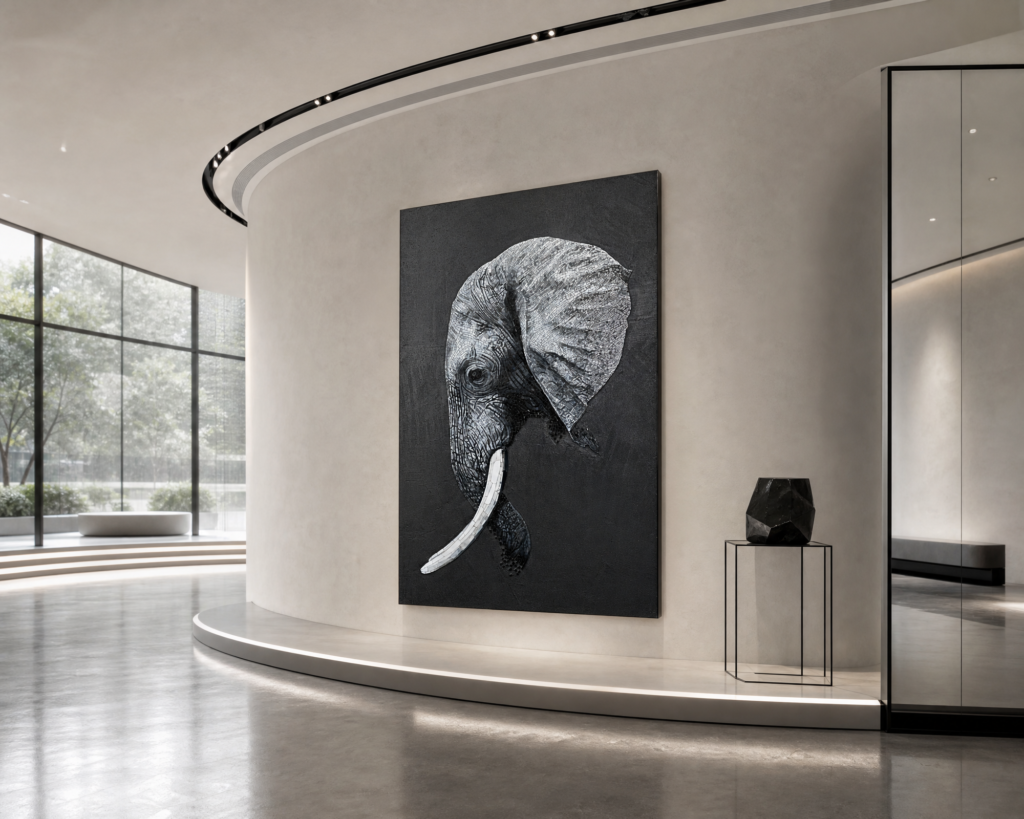
This was also visible in the material presentation at the JNJMosaic CERSAIE 2026 feature, where geometric formats, translucent textures and reflective surfaces were shown alongside large-scale artistic works. Viewed together, they suggested that mosaic can move between two scales: from the detail of a single tessera to the identity of an entire wall.
3. Light Is Becoming a Material in Its Own Right
Of the three themes, light may be the most consequential for glass mosaic.
In THE PLAN’s report on the CERSAIE 2026 international press conference, trend forecaster Cristina Faedi identified light as one of the defining elements of this year’s Italian ceramic collections. Whether reflected, refracted or captured by a surface, light was presented as a means of enhancing material qualities and expanding design possibilities.
This goes beyond a simple choice between glossy and matte. Different surfaces manage light in different ways:
- reflective finishes return light to the surrounding space;
- translucent pieces allow light to enter the surface and create a sense of depth;
- textured finishes break reflections into smaller highlights and shadows;
- metallic effects introduce controlled brilliance and tonal movement;
- iridescent surfaces shift subtly as the viewpoint changes.
The glass mosaic sector offered direct evidence of this direction at CERSAIE. ONIX, for example, presented finishes that translated oxidized and noble-metal effects into glass mosaic, as well as luminous surfaces developed to intensify veining, transparency and movement. Its aquatic applications placed particular emphasis on the interaction between light, color and moving water.
For designers, the practical implication is important: a material sample should be evaluated under conditions that resemble the final space. Daylight, grazing light, warm or cool artificial illumination and underwater lighting can each reveal a different aspect of the same mosaic.
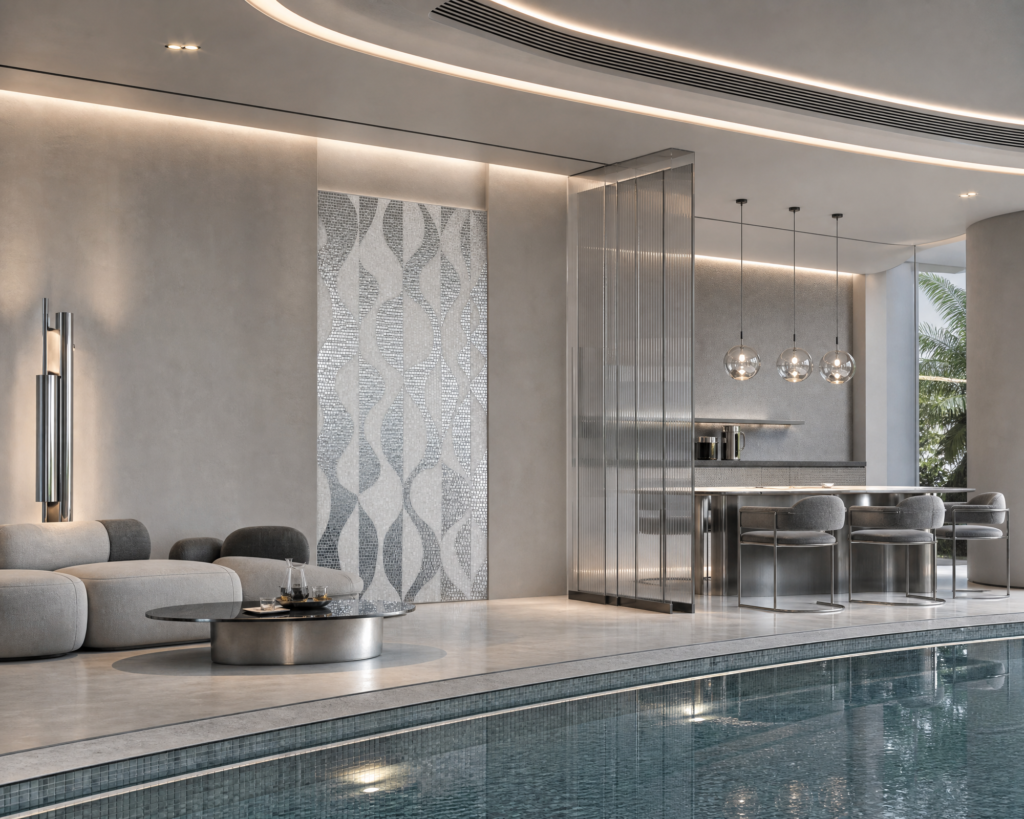
JNJMosaic’s own project work demonstrates how this relationship can operate at architectural scale. In the Bosphorus Turkish Restaurant project, gradients, reflective materials and iridescent mosaic flooring help the surfaces change with viewpoint and illumination. In pool and wellness settings, reflections are further animated by the movement of water, creating visual depth that cannot be understood from color alone.
The future of luminous surfaces is therefore not about maximizing shine. It is about controlling where light is caught, where it is softened and how it moves across a composition.
4. Small Formats Are Gaining a Larger Design Role
Large-format surfaces remain important in architecture, but CERSAIE 2026 also provided evidence of renewed interest in smaller modules. IFDM highlighted one new 12 × 12 cm format designed for floors, walls and furniture cladding, while Living noted that warm, earth-derived colors were especially expressive on small glazed and super-matte formats.
This does not represent a simple return to small tiles. It reflects the need for surfaces that can adapt to more varied geometries and carry greater visual detail.
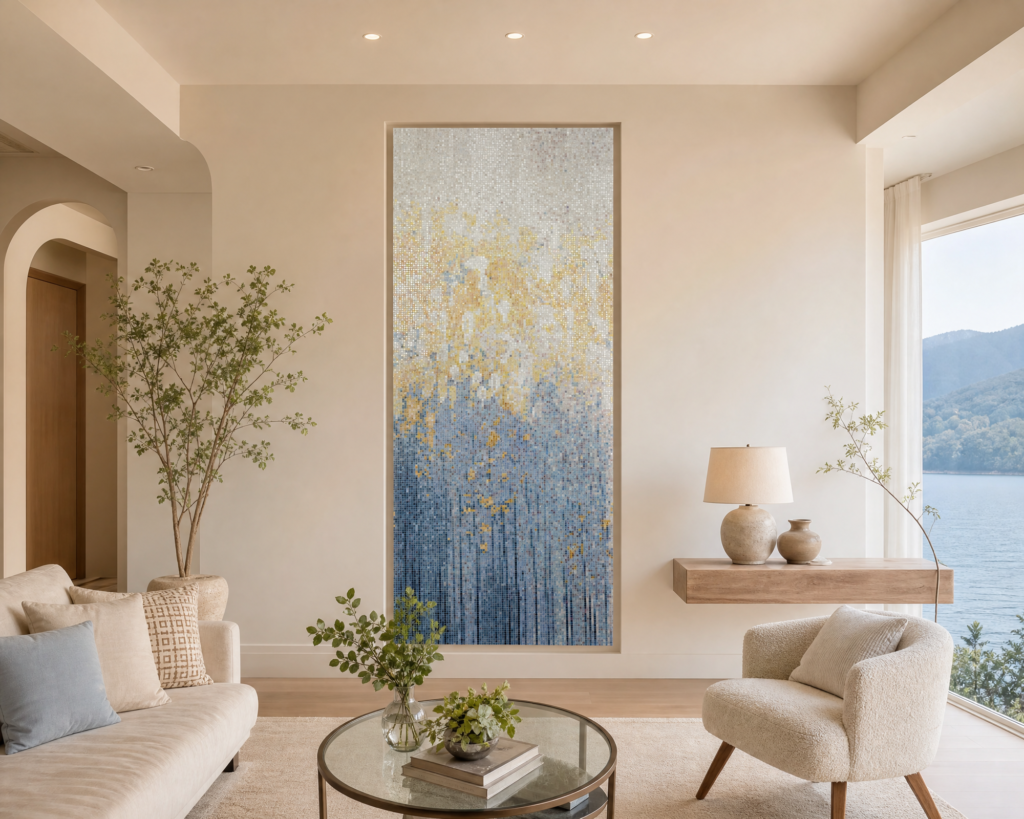
Small mosaic units can follow curves, wrap columns, enter niches and respond to irregular architectural forms. They also enable controlled gradients, pixelated imagery and transitions between materials. On a flat wall, the format establishes rhythm. On a curved or wet surface, it also becomes a practical means of maintaining continuity.
This versatility is particularly relevant to hospitality interiors, swimming pools, spas, feature walls and bespoke residential spaces. In these settings, mosaic can perform as a background texture, a wayfinding or branding element, an artistic focal point, or a continuous surface that connects multiple parts of the architecture.
JNJMosaic’s custom mosaic craftsmanship and manufacturing service approaches these variables as part of a coordinated process: analyzing the design, developing samples, confirming color and material behavior, and translating the approved direction into production. The value lies not in small format alone, but in what that format allows a project to achieve.
5. Collections Are Evolving into Design Systems
Another significant idea presented at CERSAIE was the description of contemporary collections as “design systems.” Instead of treating each finish, format or color as a separate product, a system allows them to work together across different surfaces and applications.
For mosaic, this approach can include:
- several densities or values within one color family;
- matte, gloss, translucent and reflective pieces used in combination;
- standard fields coordinated with artistic focal points;
- patterns adjusted to suit the proportions of a particular wall;
- material transitions developed for adjacent zones;
- related surfaces for interiors, pools and other architectural features.
The result is more flexible than selecting a fixed pattern in isolation. Designers can begin with an atmosphere, palette, image or spatial requirement and then develop a material response around it.
This is already visible in projects such as The Reverie Saigon, where customized mosaic appears across guest rooms, hospitality areas, bathrooms, leisure spaces and pools. The project demonstrates how mosaic can become a recurring design language while changing expression from one environment to another.
It also explains why sampling remains essential. A sample is not merely a smaller version of a finished wall. It is a working tool for evaluating proportion, color relationships, reflectivity, texture and compatibility with the lighting and materials around it.
What Is Worth Following After Bologna?
Taken together, the signals from CERSAIE 2026 point toward a more sensory and integrated understanding of surfaces.
Color is becoming warmer, more natural and more spatially responsive, while still leaving room for intense blue, green and metallic accents. Materiality is moving beyond visual imitation toward texture, depth and controlled variation. Light is being used to reveal surfaces rather than simply illuminate them. Small formats are supporting complex geometries and more detailed compositions. And individual products are increasingly being considered as parts of adaptable design systems.
These directions are especially meaningful for mosaic because mosaic connects all five ideas. Its color is built piece by piece. Its material qualities remain visible at close range. Its joints and textures respond continuously to light. Its scale allows it to follow architecture. Its modular nature makes customization possible.
As CERSAIE’s stands are dismantled and the industry turns toward future projects, the most enduring lesson may be simple: surfaces are no longer passive finishes. They help shape atmosphere, movement and memory within a space.
Explore the materials, artworks and moments presented in Bologna on the JNJMosaic CERSAIE 2026 page. To develop a palette, surface combination or bespoke mosaic for an upcoming interior, pool or architectural project, start a conversation with JNJMosaic.